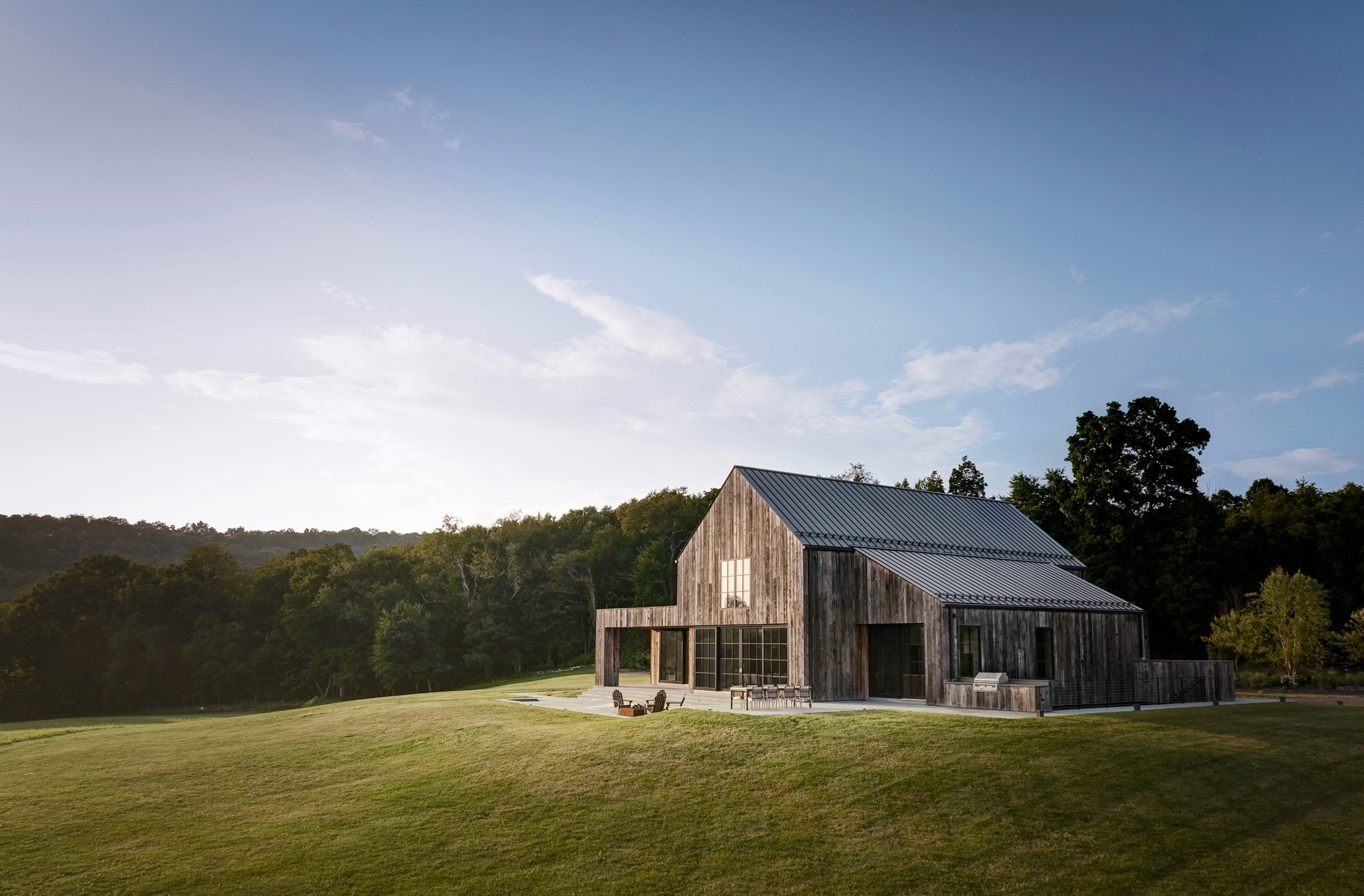
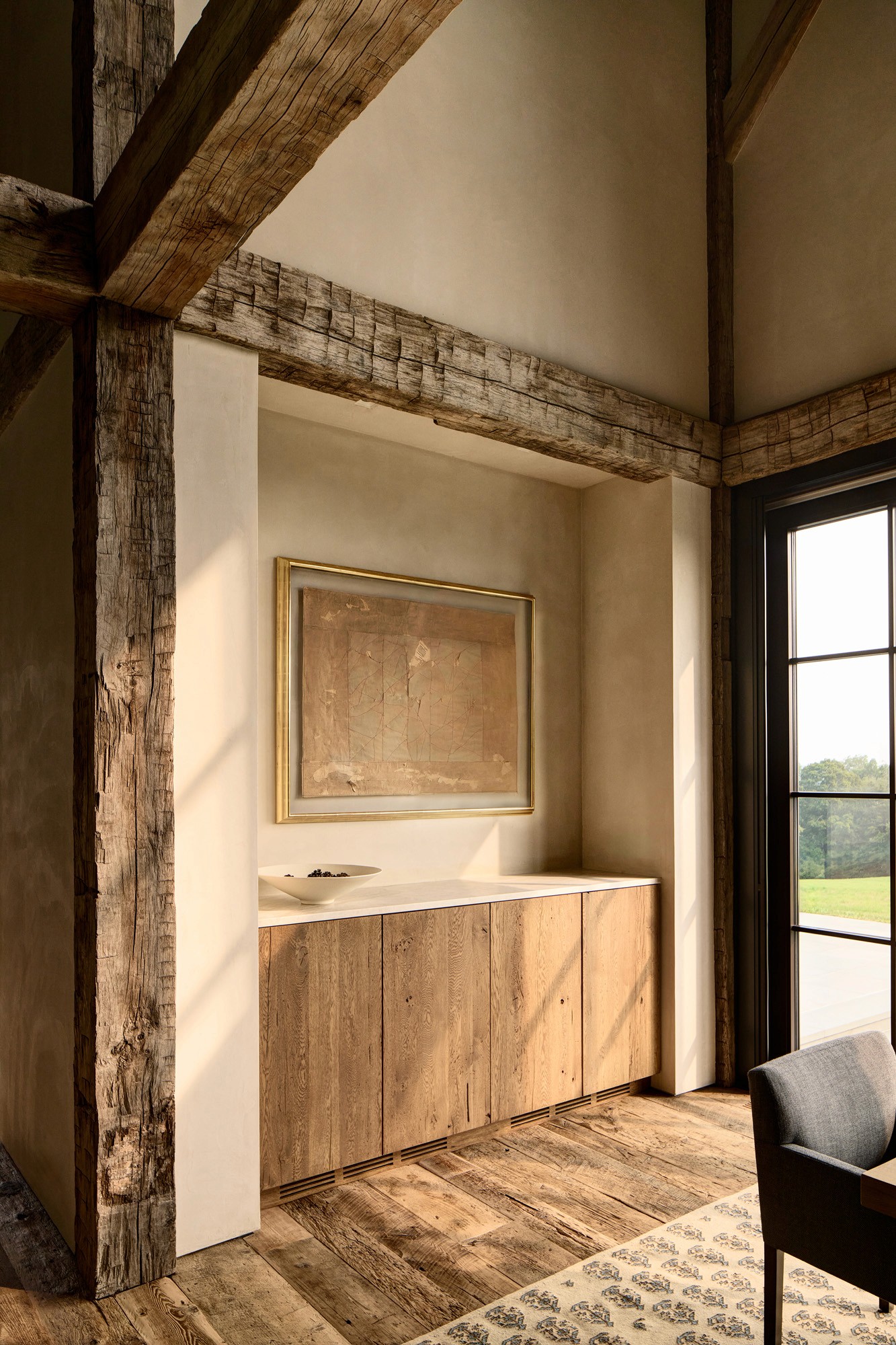
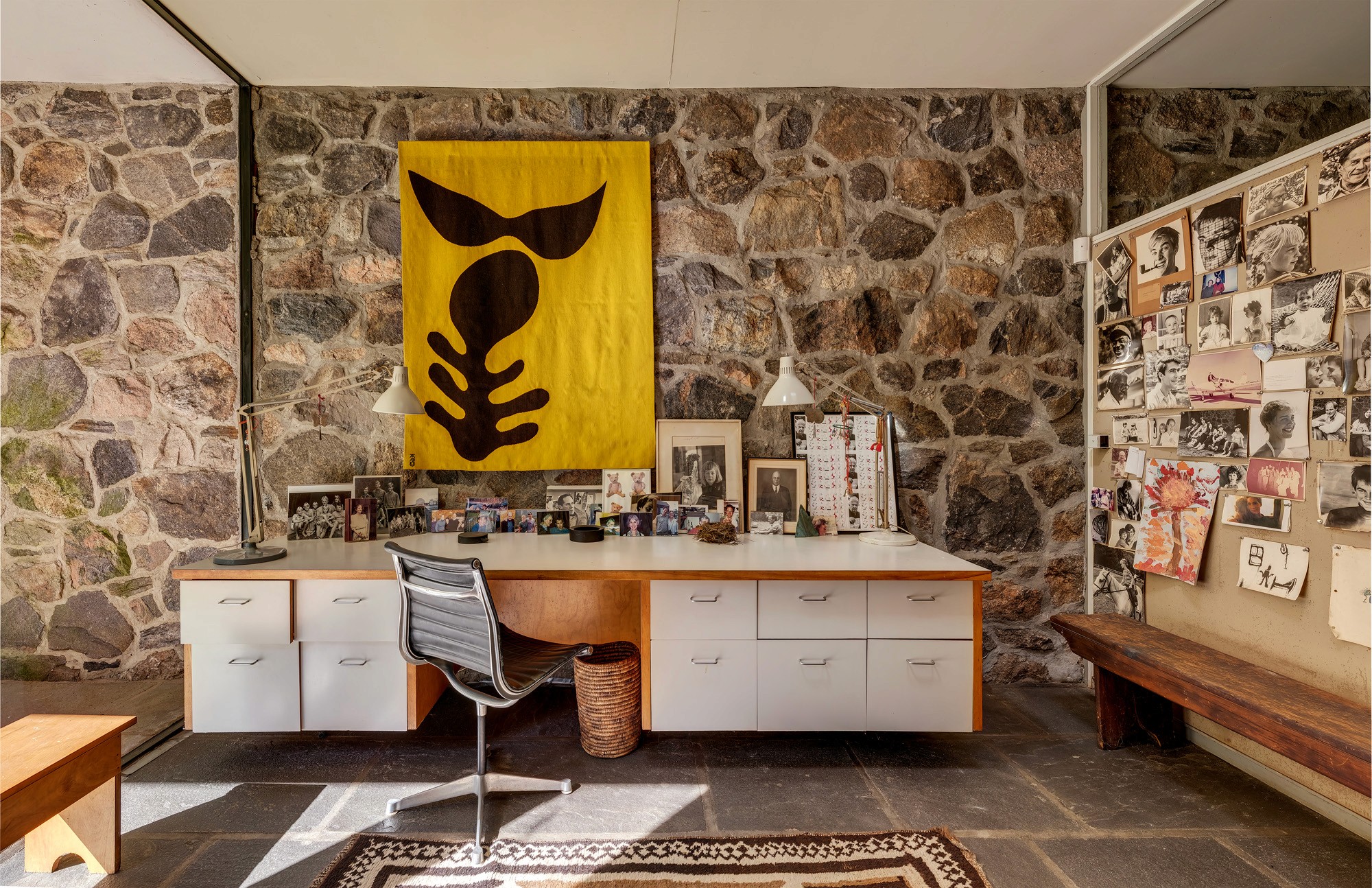
Noyes House II, Eliot Noyes Architect
Every piece of architecture is a story waiting to be experienced. Sometimes a single photo is the introduction that invites us to delve deeper. In this installment of Shared Perspectives, we hear from Michael Biondo, a photographer whose instinct to capture intriguing moments was nurtured from a young age and led him to a decades-long career in fashion and architecture, sharing stories frame by frame.
What first drew you to photography?
The first camera I picked up was my dad's, a Pentax Spotmatic 35mm SLR. I was around 12 years old at the time. I just started taking snapshots of things that looked interesting to me. I felt an intuitive pull toward certain subjects. It’s not so different from how I work these days. I just have a lot more experience in my eyes now.
I would get in trouble for using all of my parents’ film, but I liked to experiment with it. I was very into science fiction and would build my own sci-fi models in our basement. I’d fabricate my own version of something like the 2001 Space Odyssey, set up lighting, and photograph it. My uncle was a professional photographer. Every now and then, he’d show us how an enlarger worked or how to dry prints. He helped my dad and me set up a dark room in the basement of our house when I was about 13. Once my parents got over me stealing their camera and shooting all of their film, they were extremely supportive. It's such a gift to have your family support what you do.
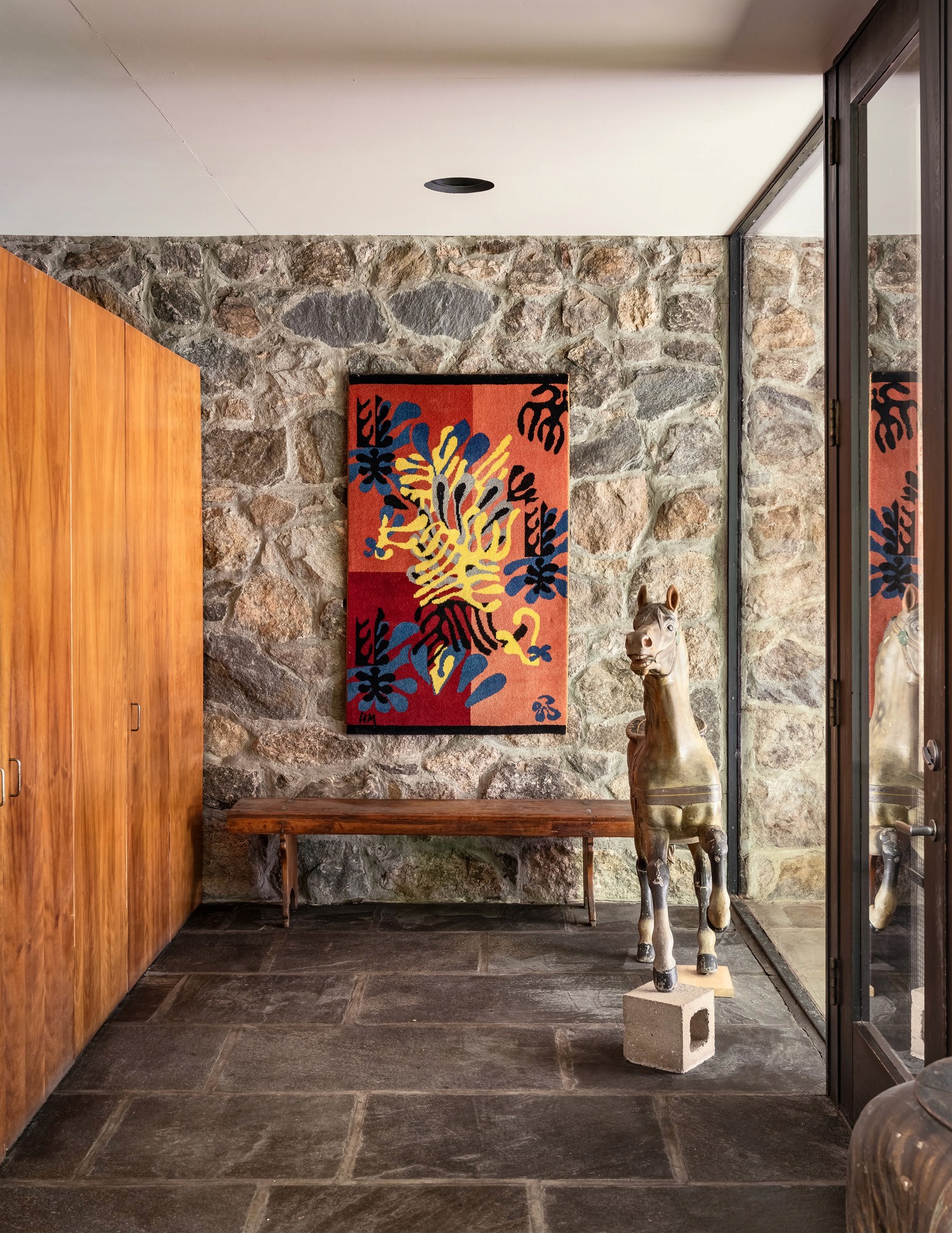
Noyes House II, Eliot Noyes Architect
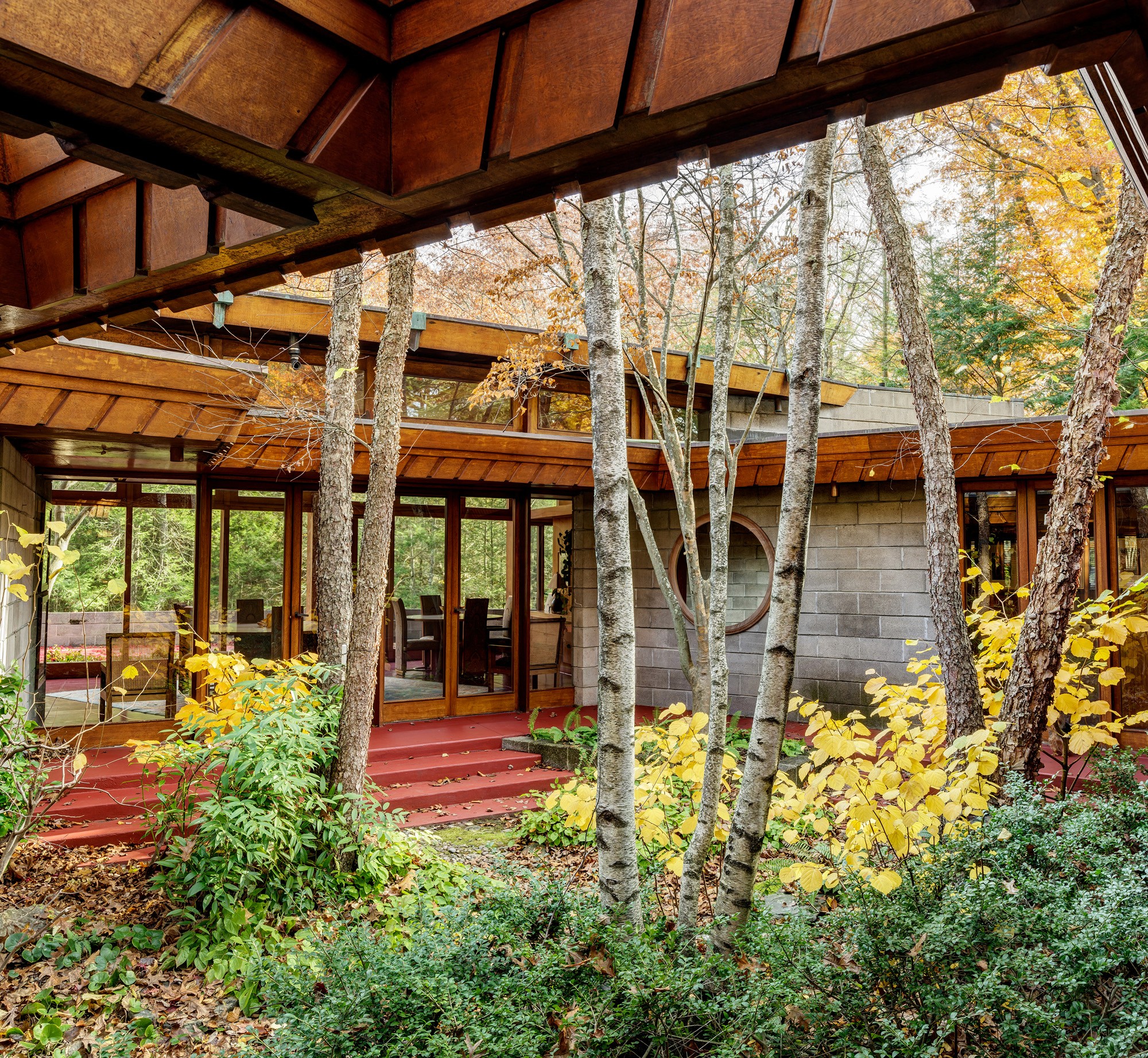
Tirranna, Frank Lloyd Wright
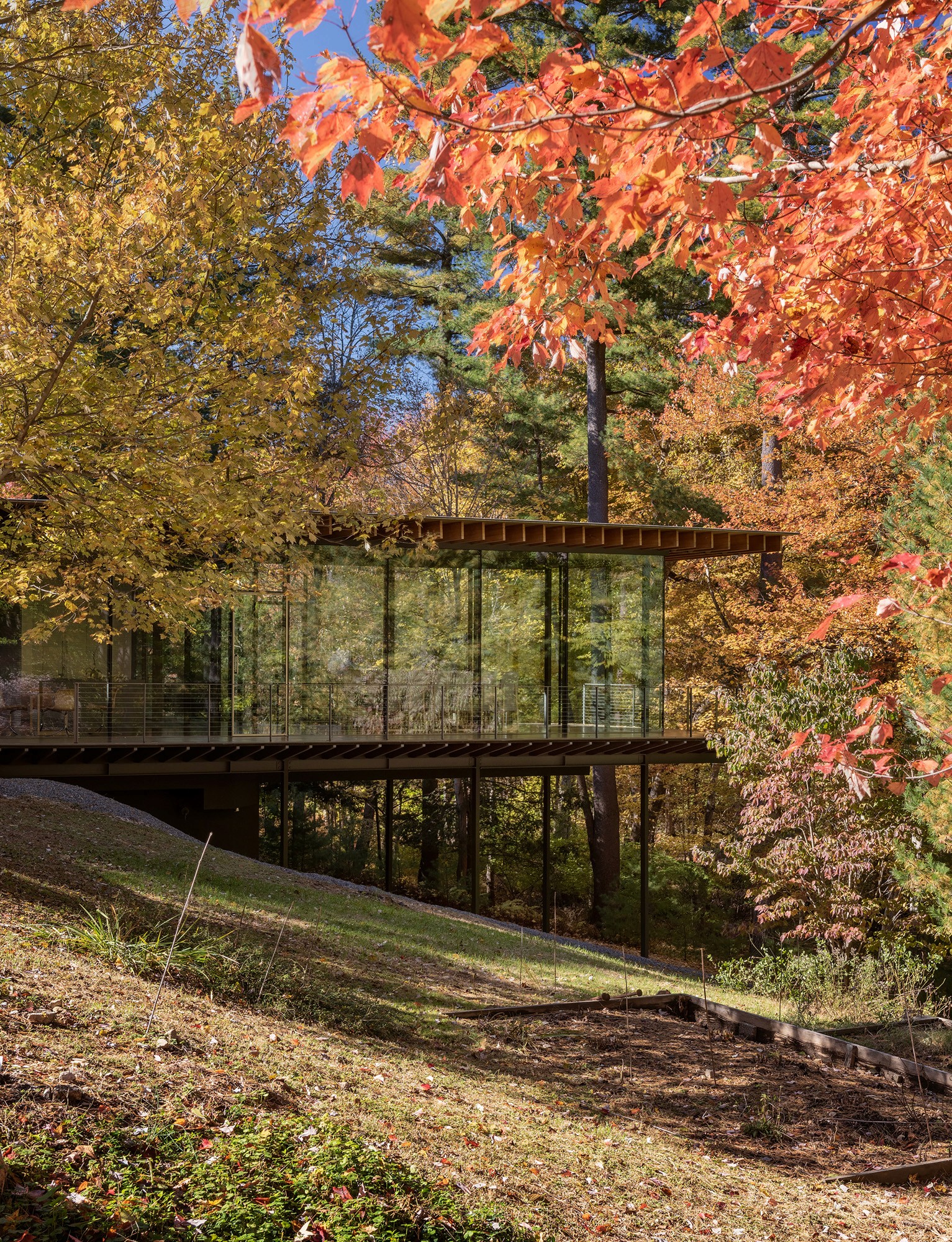
Lee House II, John Black Lee, Toshiko Mori, Kengo Kuma
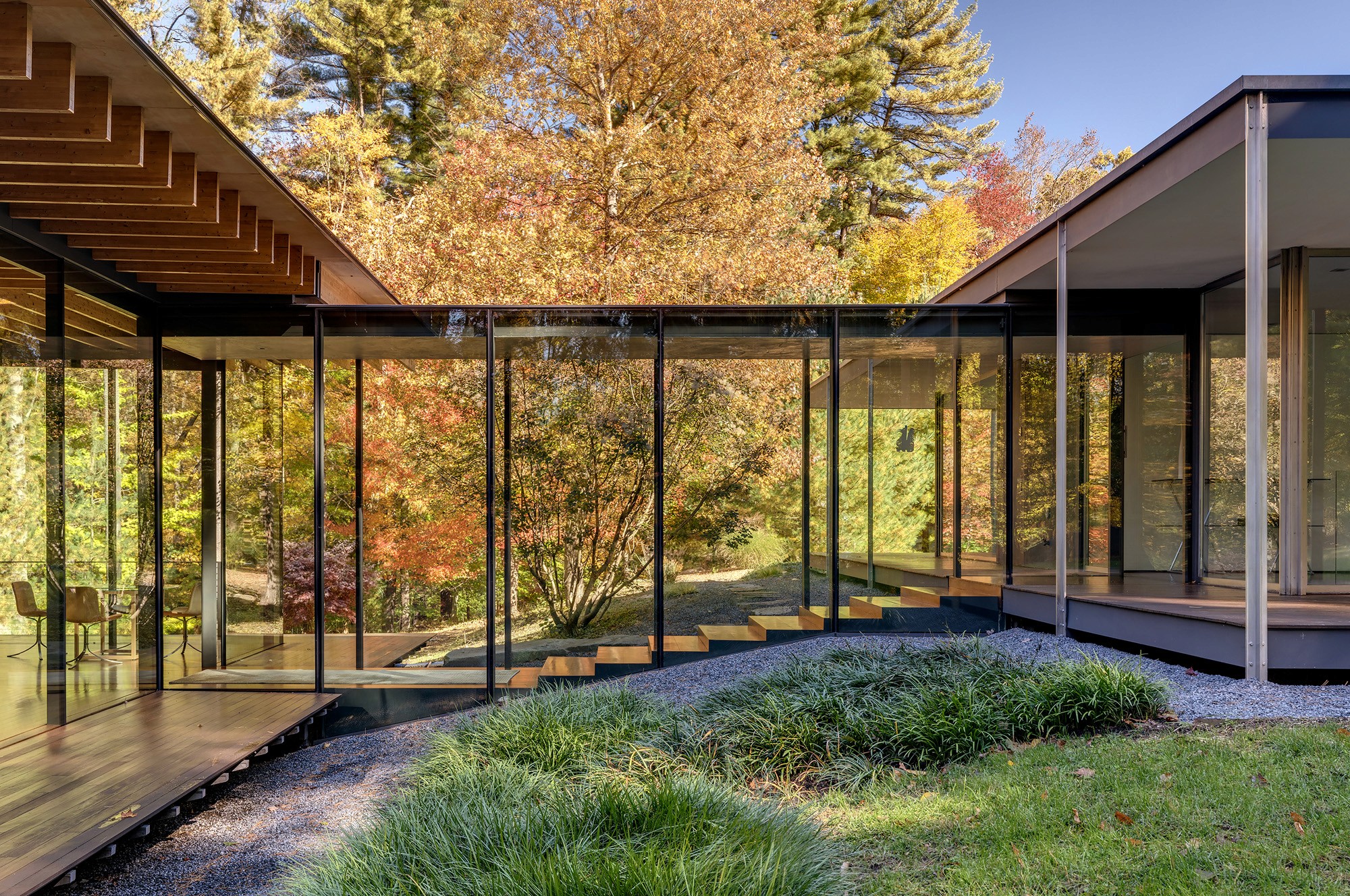
Lee House II, John Black Lee, Toshiko Mori, Kengo Kuma
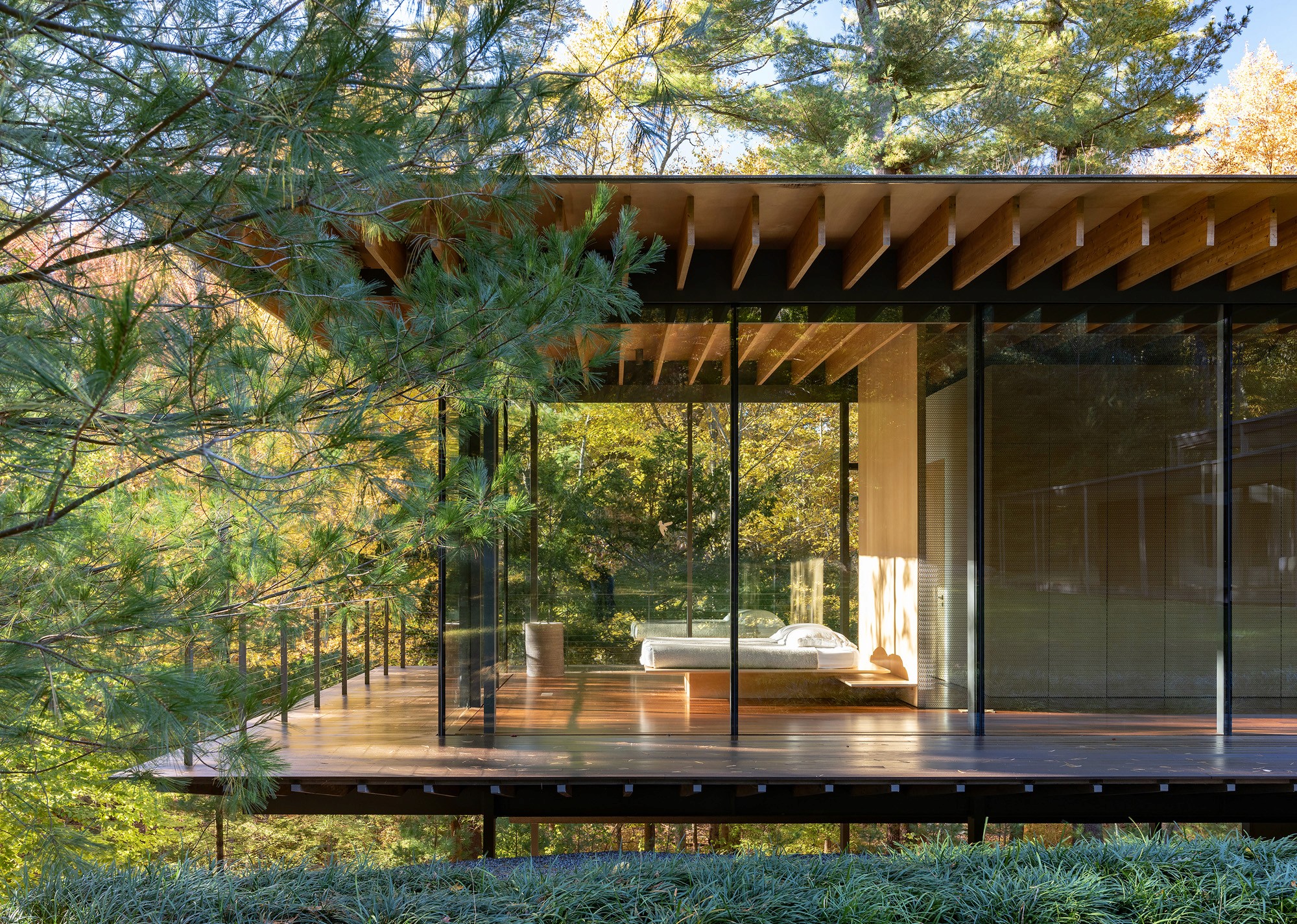
Lee House II, John Black Lee, Toshiko Mori, Kengo Kuma
How did your budding interest in photography become a career?
My dad worked in advertising and had a connection with a photographer who was opening a studio. He hooked me up with him, and that was my first job. I was the guy who swept the floors. I was 16 then with no formal training. I didn't do anything with my photography in high school, but I ended up studying photography and graphic design at Pratt Institute. Graphic design ultimately wasn’t for me, but my photography has been described as very graphic. I’m always looking for that graphic hum that you get when everything falls into place.
At Pratt, I had a summer gig with a group of French photographers who were working in fashion at a super high level. I saw their careers and wanted it for myself. I assisted them and started building a portfolio of portrait work. The popular magazine at the time was Interview Magazine, and they did open calls. On the first Wednesday of every month, from 9:00 to 11:00am, they would see whoever walked into their office. Oftentimes, there was a line out the door, and if you didn't make it through the door by 11:00, they said, “Sorry, come back next month.” I did that three months in a row, and I think they gave me my first job just to get rid of me. I joke about that, but I was lucky. If you were a contributing photographer at Interview, all kinds of opportunities opened up. One of my first shoots was with a group called Public Enemy. I worked with them and a lot of hip-hop groups. There was an interesting fusion between music and fashion in the late 80s and early 90s. I was fortunate enough to find myself right in the middle of it all, and I rode that wave.
How did you make the shift from fashion to architecture?
I was told at a young age by a photo editor that it was important to photograph what you love. I shot fashion photography for 25 years, but for me, fashion was always more of a vehicle for making cool photos. You always succeed at photographing what you're interested in, and with more success comes more opportunity. I was really interested in how design and architecture worked. I wanted to understand how that world functioned. Eventually, I became a part of it as a result of my natural curiosity.
What’s your creative process for capturing a space?
It begins with the brief and understanding what we’re there to do. I try to extrapolate key story points, and that's the only preconceived idea I take with me to a shoot. When I arrive on a site, the first thing I do is walk through the space with the architect or designer and discuss what to capture. Sometimes they want me to photograph the things they put the most amount of work into or the things that are really unique. Oftentimes, they just want me to tell the story of the space.
I try to look at the context of the project in its environment, explore the space, and look at how the light moves through it. It’s a question of what shots will capture the feeling of when you walk into a space and it takes your breath away. That's really hard to do. It requires you to succinctly capture that sense of awe in a photo without it being too broad with too much to take in. I'm fortunate I get to work on really incredible architecture projects. I'm always chasing the breathtaking moments within them.
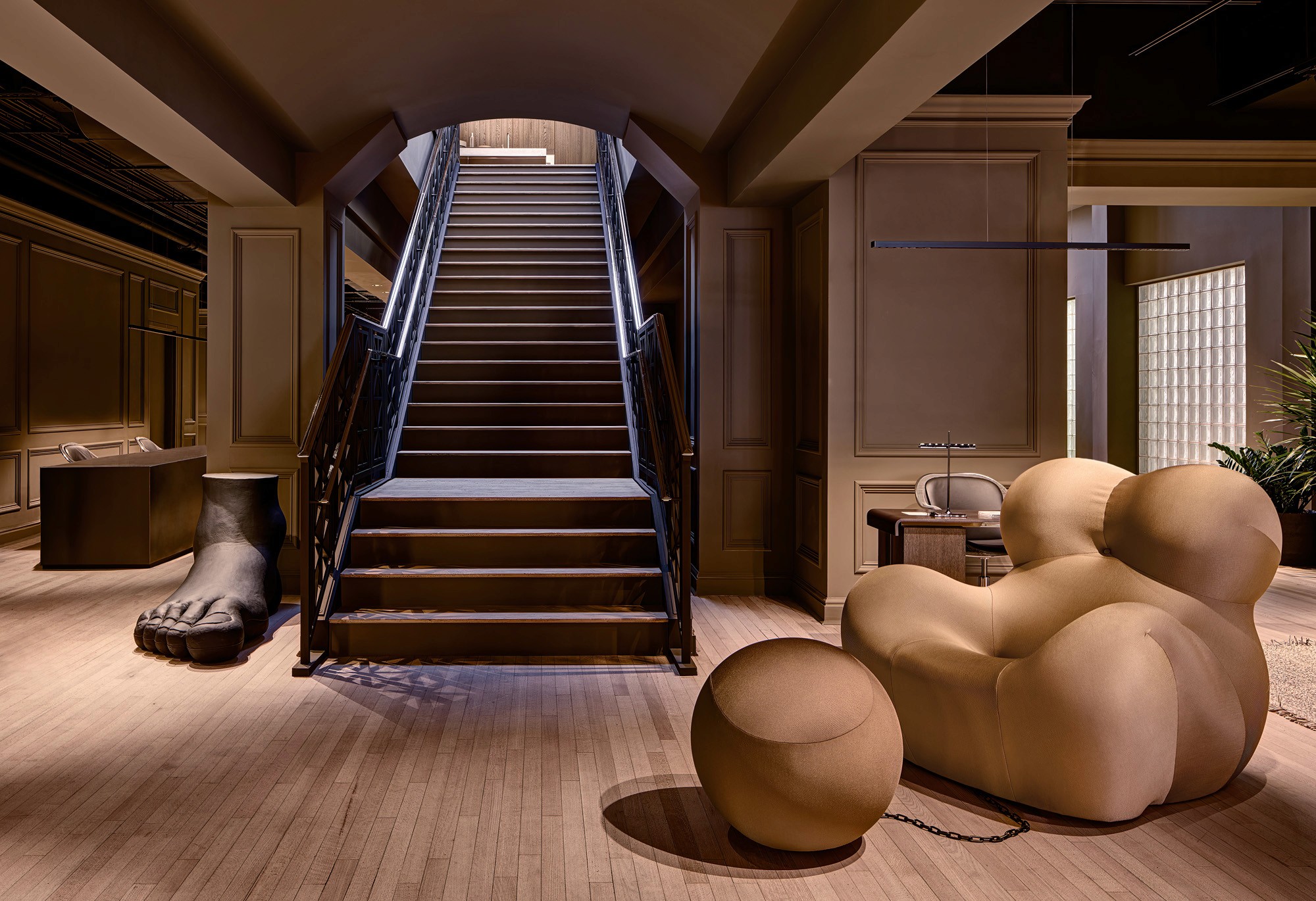
B&B Italia
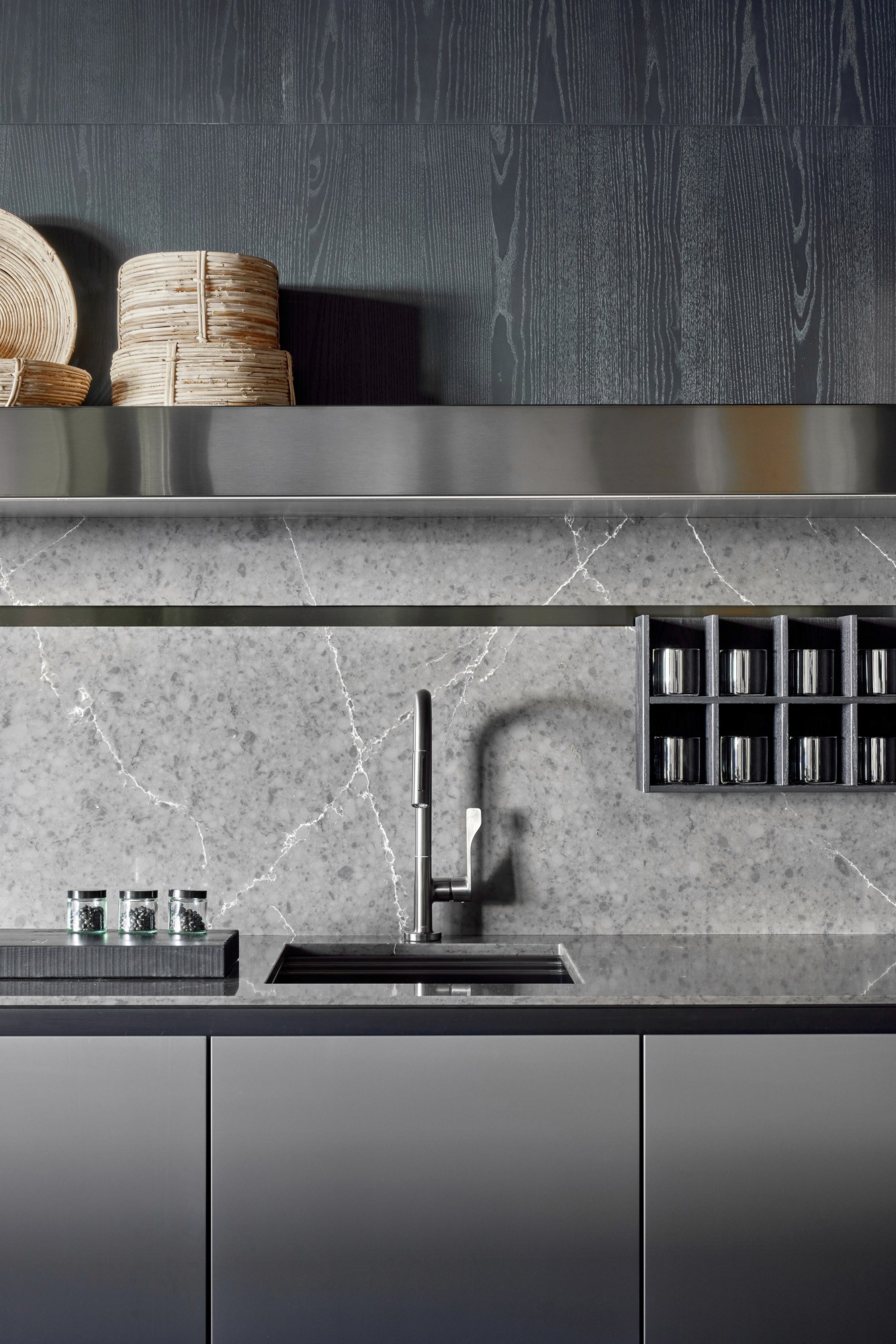
B&B Italia
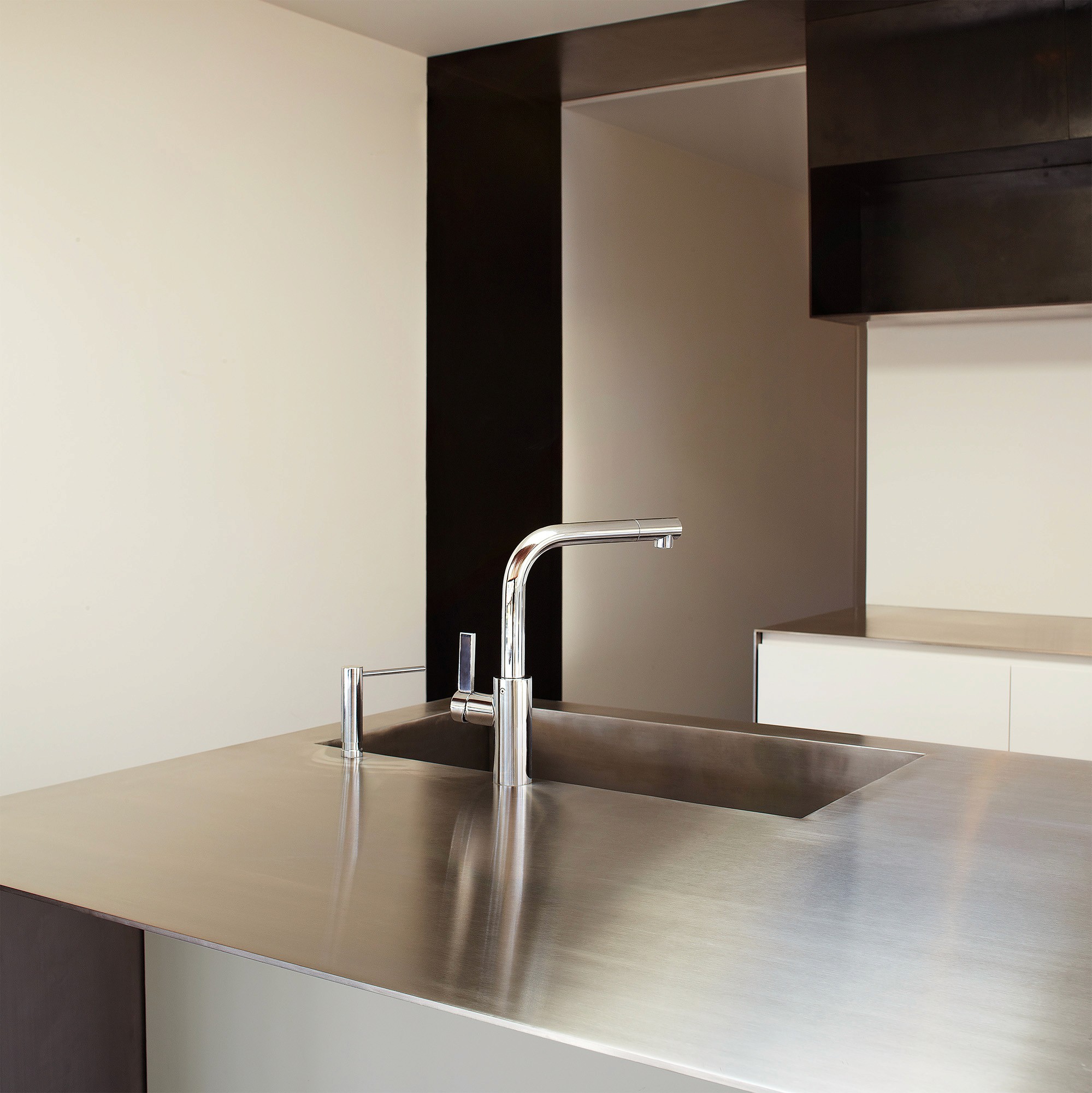
Glen Residence, Richard Neutra, Joeb Moore
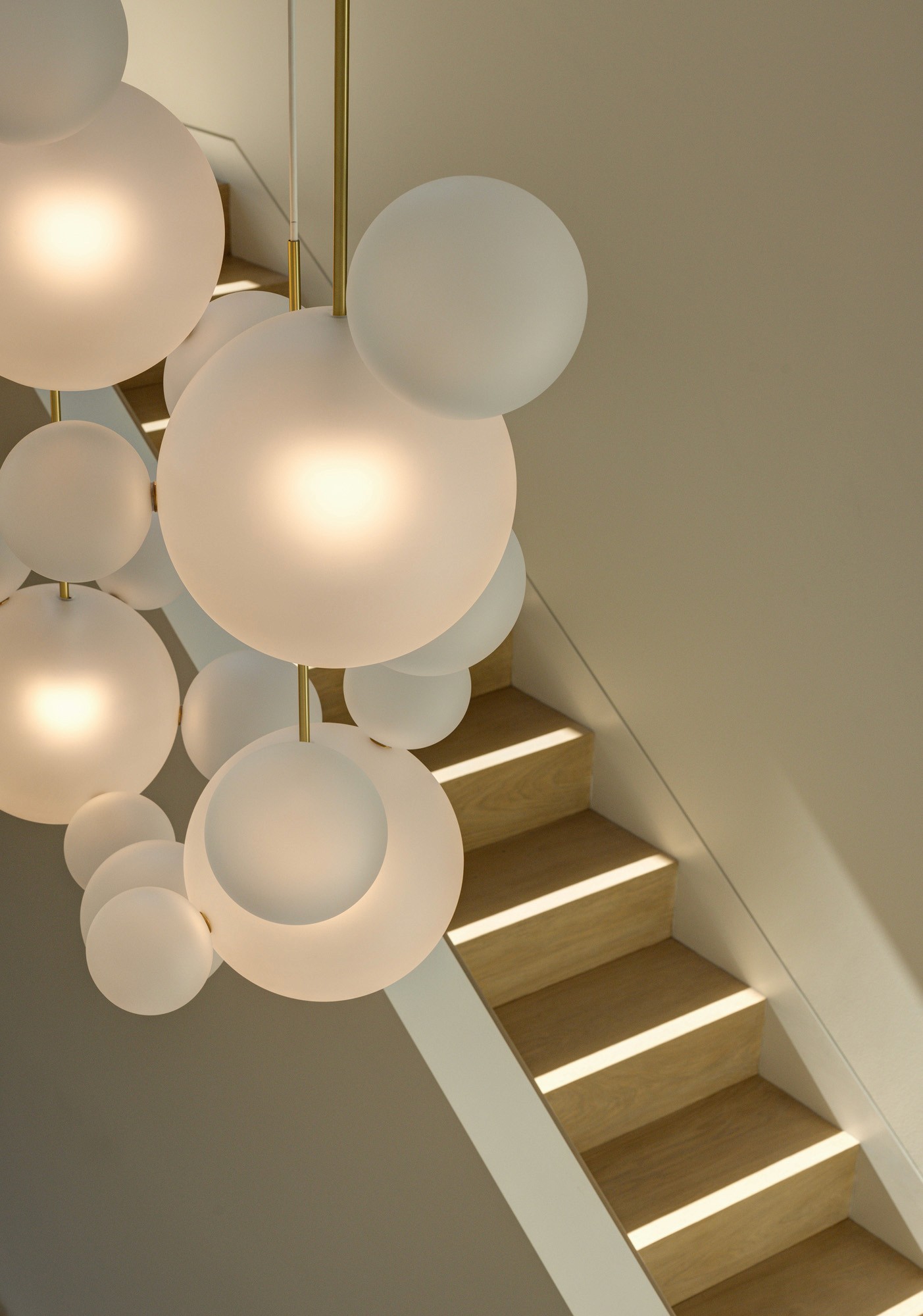
High Bluff House, MAPOS Design and Architecture
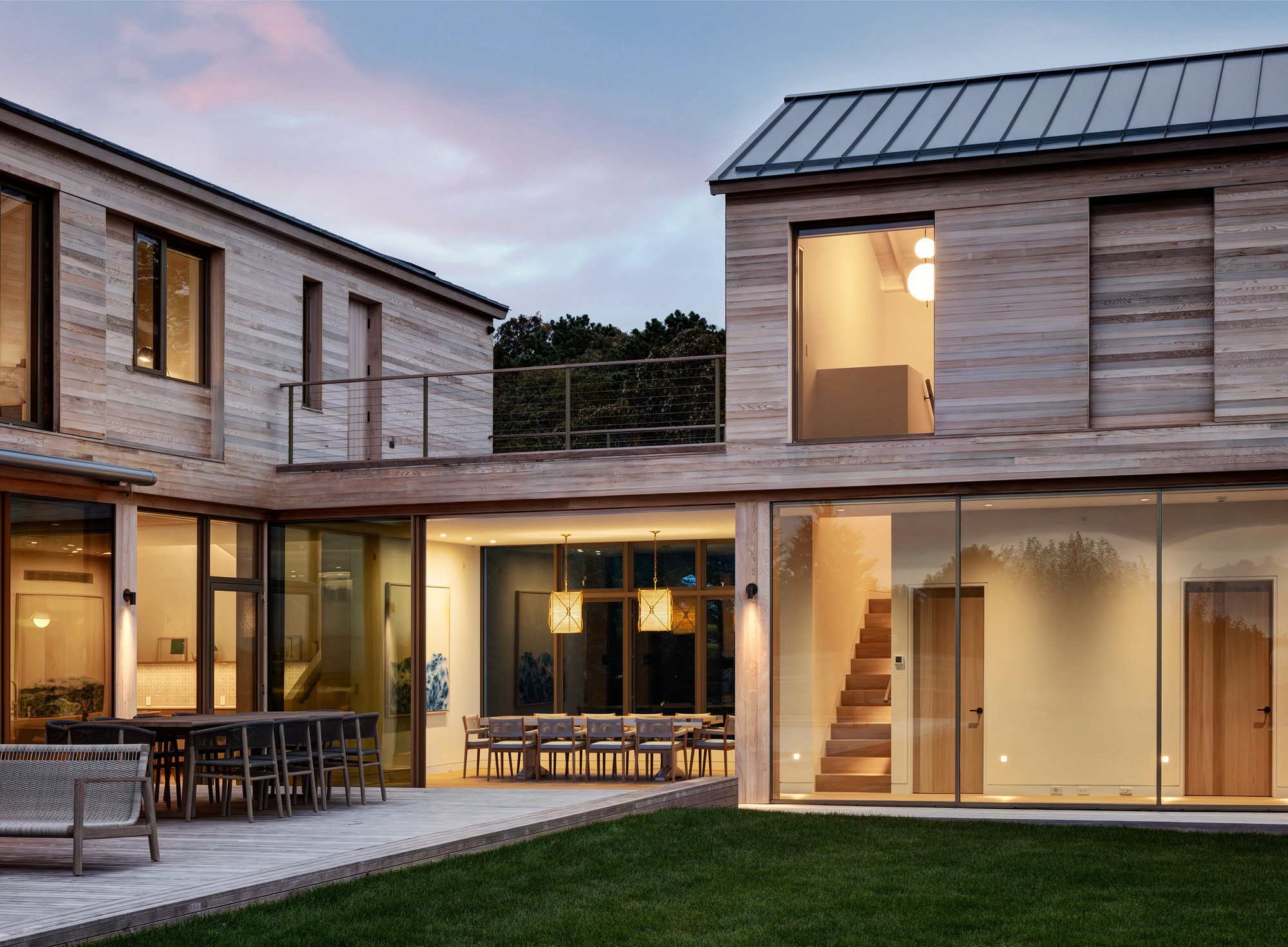
High Bluff House, MAPOS Design and Architecture
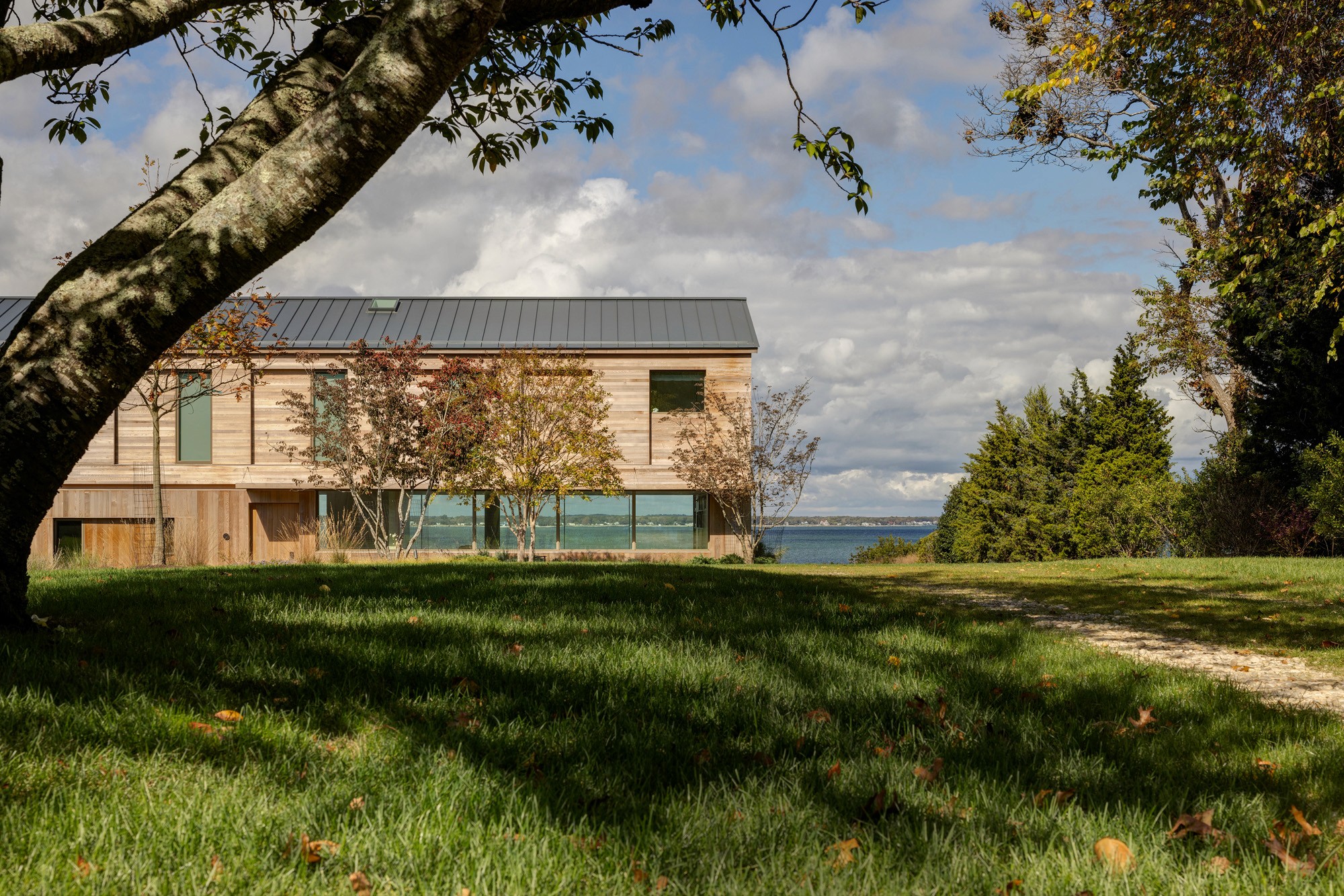
High Bluff House, MAPOS Design and Architecture
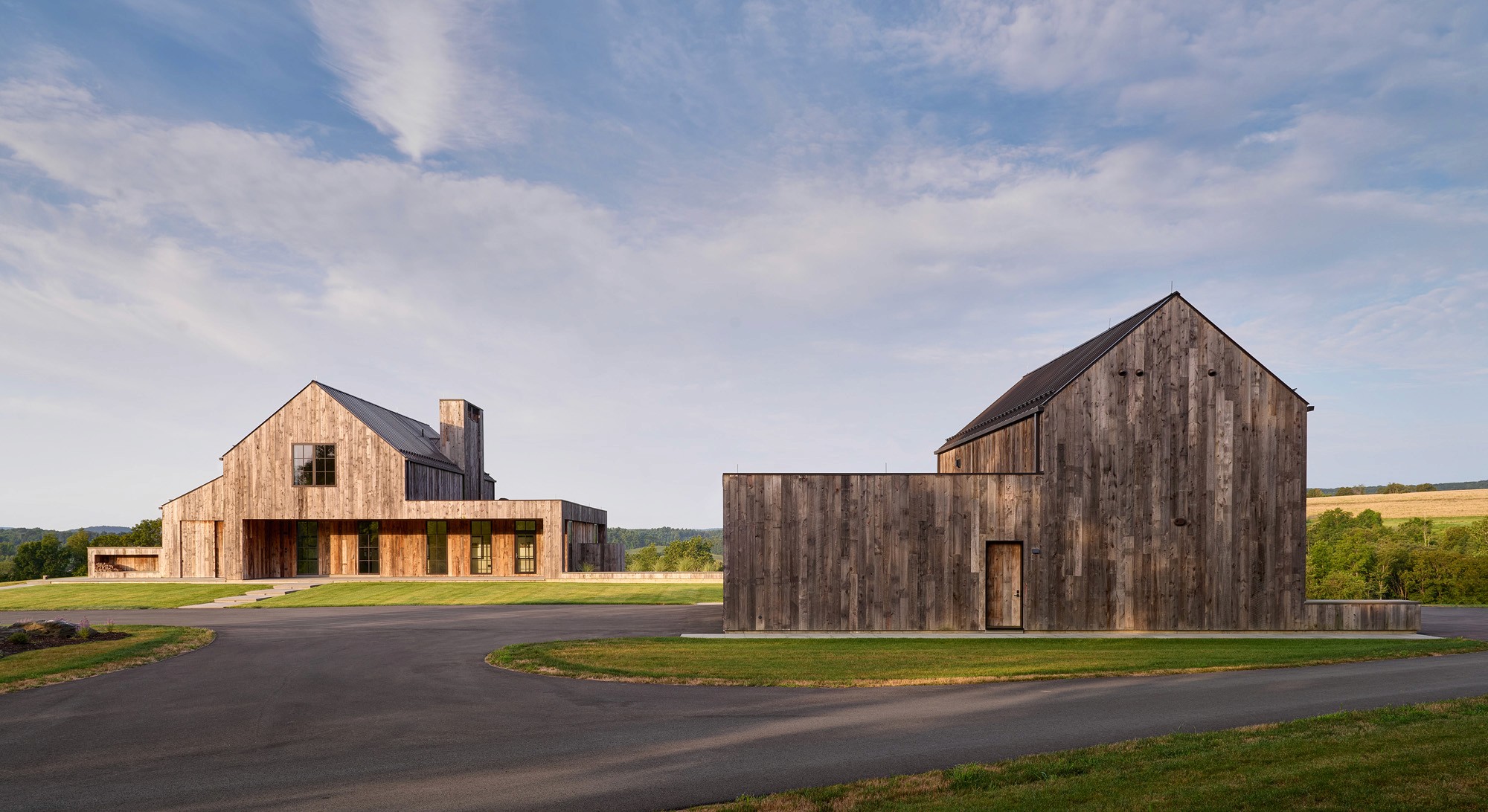
Irondale, Birdseye
You photographed Birdseye’s project, Irondale. Looking back on this project, what was unique about shooting it?
What's interesting about Birdseye’s work in general is that it speaks to the Vermont vernacular, but also brings a contemporary feel to it. Irondale has this intimacy and depth that comes through in the palette, the materials, the textures. We took broad shots to capture that feeling, plus all of the architectural moments that punctuate it—the stunning bathroom, the light-filled hallway, the front pivot door.
The home was beautiful to shoot, but it wasn’t without its challenges. We were in the midst of wildfires, and the weather wasn’t great. It eventually cleared up, but we had to shoot the space very quickly. Plus, the home has a northern-facing facade. That can be tricky. If the light is coming from the north and you are shooting east-west, that's a whole different scenario.
I shot Irondale tethered to a laptop, and Birdseye was right there with me. Having a partner on these projects is crucial. Especially if I'm shooting video and stills, there's a lot going on in my mind as far as the different mediums are concerned. Having someone there to look at each photo critically and make suggestions as I’m shooting is really important. Birdseye’s presence and perspective was so important to making the shoot the success that it was.
What’s next for you creatively?
I feel pulled toward documenting art and artists, particularly in the gallery art space. I love documenting institutions, the work they do, the teams involved, the artists with individual shows. It allows a portion of my brain to take a creative rest depicting somebody else's work, being in service to them, and taking some of the pressure off. When the pressure’s off, I can focus and be more creative.
I'm currently working on a book about a community that Frank Lloyd Wright designed in Westchester, called Usonia. We're slated for a 2027 publishing date. It's similar to a book that I did on New Canaan, the Mid-Century Houses Today book. It takes images of houses, tells their stories, and shows how they've been brought up to date. Strategies ranged from recreating original designs to blending original and contemporary design languages. Renovating these houses was crucial to their preservation. I'm renovating my own mid-century modern house in Connecticut, designed by Carl Koch, the great-grandfather of modular prefabrication. So I’ve got the book, I've got the renovation. I'm constantly trying to get creative projects going.
Interview by Mikulak DesignWords by Mallory StaubPhotography by Michael Biondo
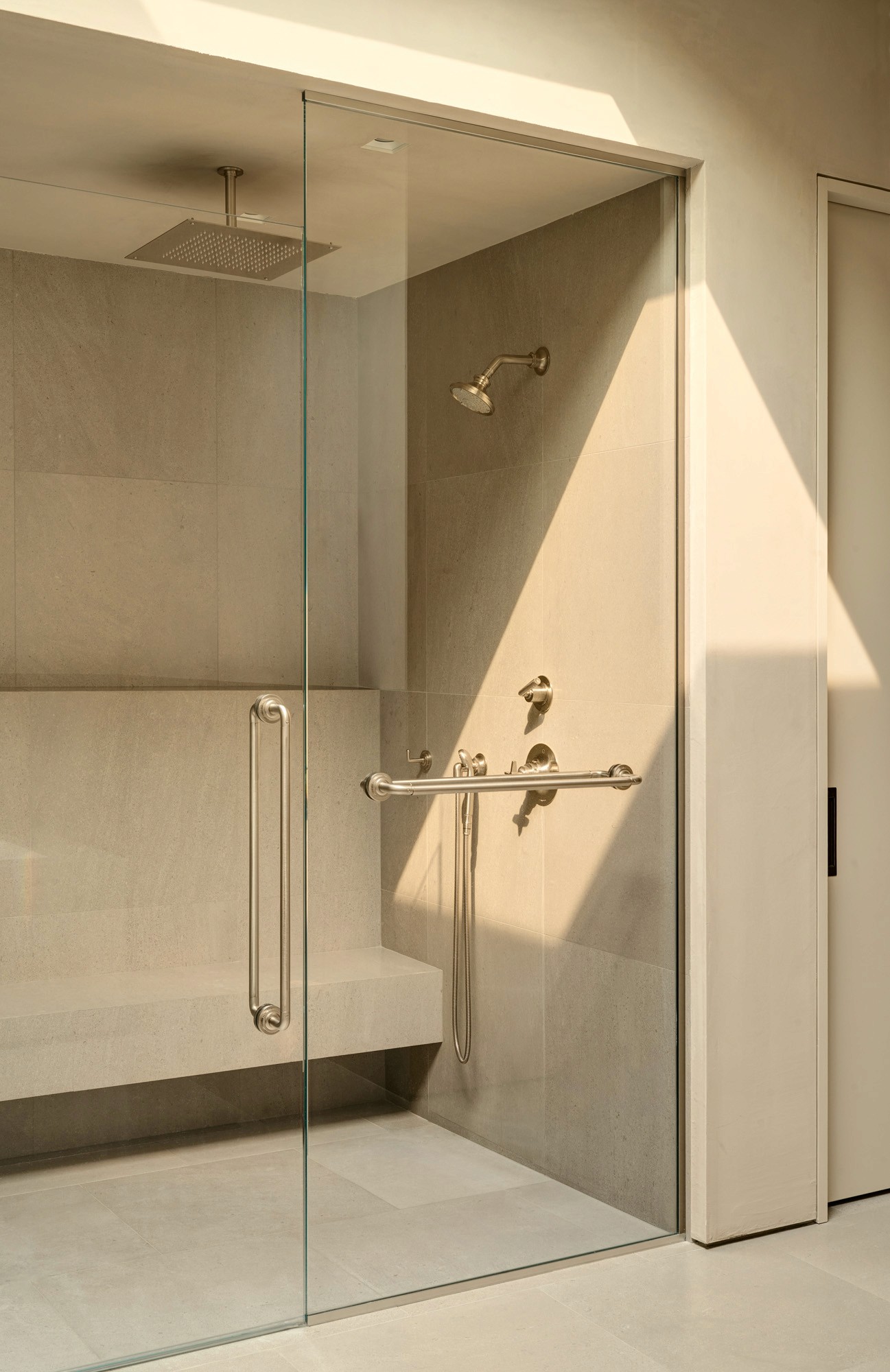
Irondale, Birdseye
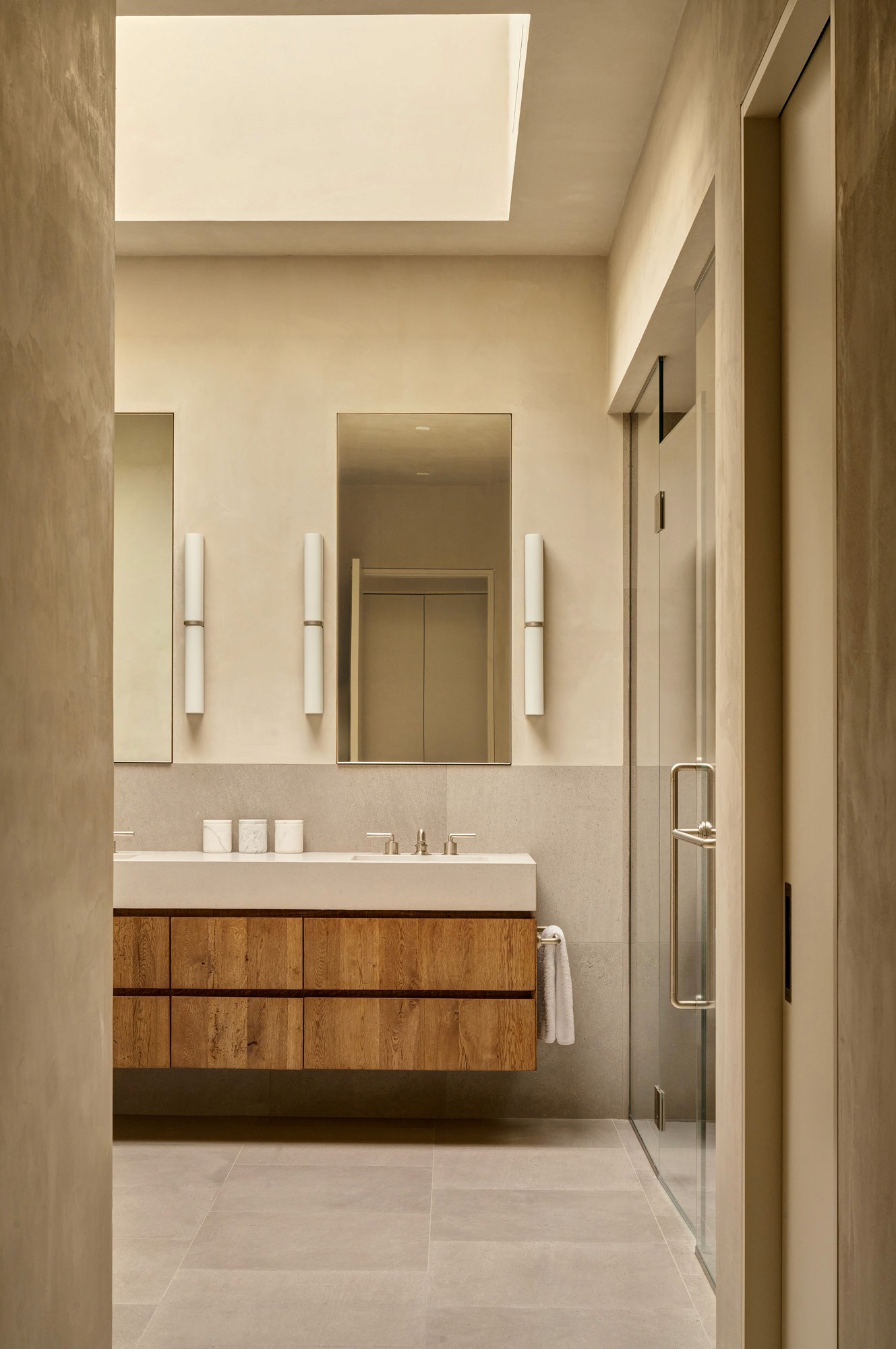
Irondale, Birdseye
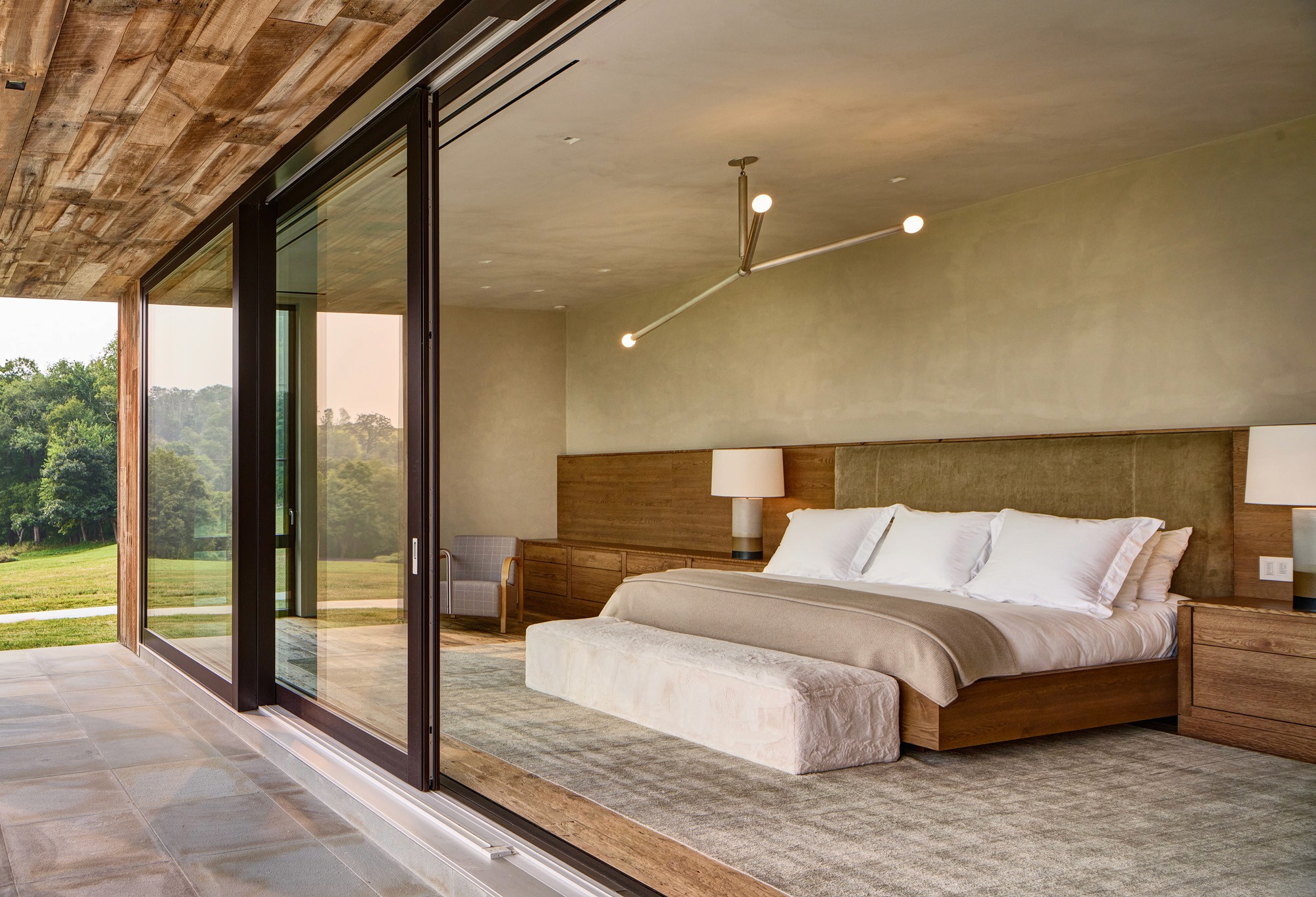
Irondale, Birdseye