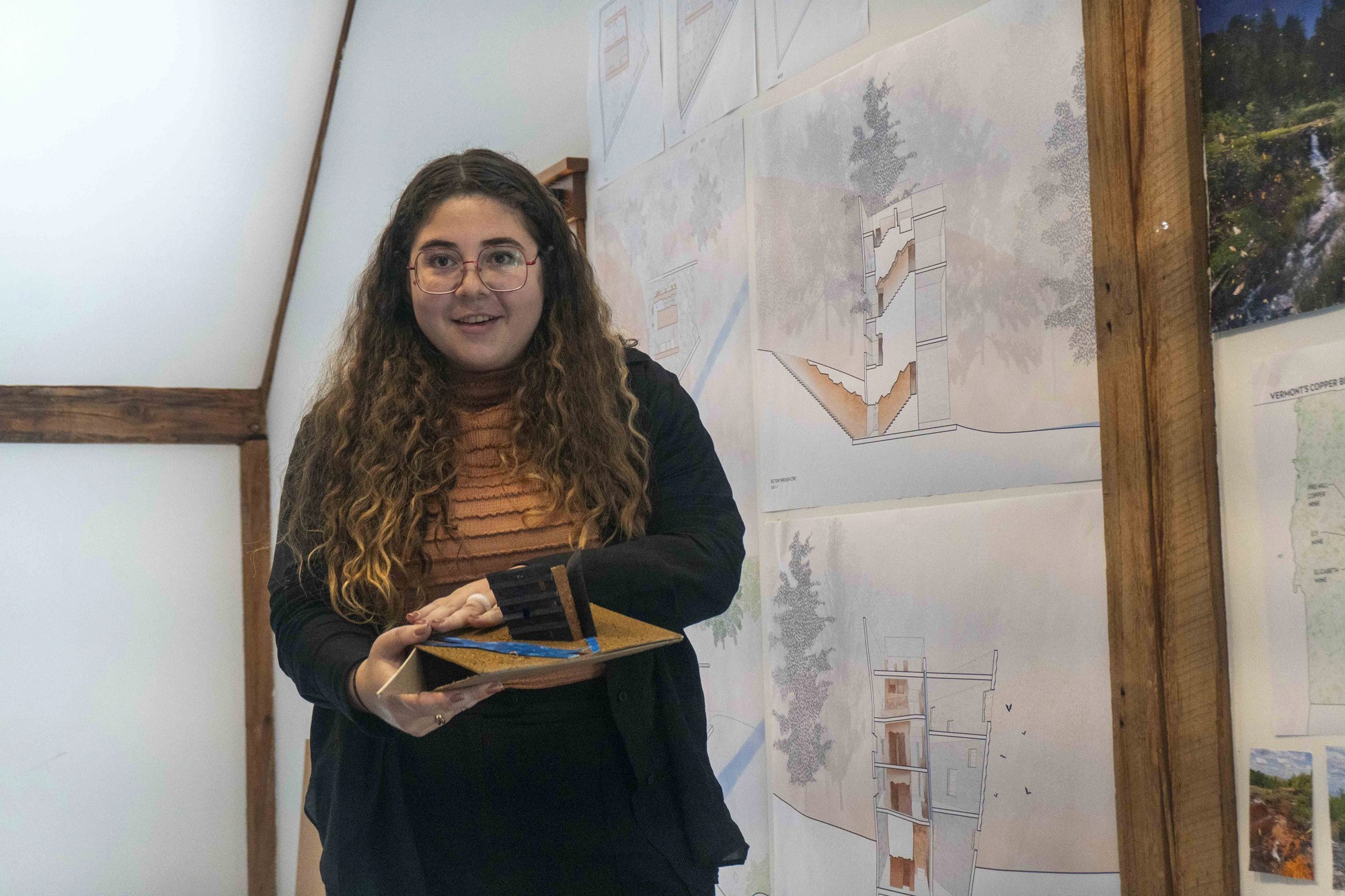
Birdseye student resident Marly McNeal (Summer '25) presents an architectural model of her House design.
Each summer, Birdseye hosts an architecture student to participate in our 3-month residency, House Chair Tool Garden.
The resident is asked to develop a conceptually grounded project composed of four elements: a house for living, a chair for sitting, a tool for transforming, and a landscape for placemaking. They work independently to explore their architectural ideas, with active guidance from our architecture studio and the craftspeople across Birdseye. We spoke with last year’s resident, Marly McNeal, to reflect on her Birdseye experience and how she brought her project to life.
Where does your interest in architecture come from?
It didn't stem from a fascination with buildings or architecture itself. When thinking about what I wanted to do in the future, I couldn't pick just one thing. Some days, I wanted to be an artist, a painter, a poet. Other days, I wanted to conduct research, be pragmatic, find technical solutions. I started exploring what was out there, and I felt like architecture would allow me to do and be all of those things. The variety is what drew me to it and what I’ve enjoyed most about it.
You spent last summer in Vermont as Birdseye’s architecture student resident, designing an original project for the House Chair Tool Garden program. What was your approach to the brief and the idea behind your project?
When I started my residency, I was a semester away from finishing grad school. I'd been studying architecture for 7 years, and it felt like the perfect time to combine what I was already working on with ideas I hadn’t yet explored. As I started thinking about what I wanted to design, there was one word that I kept coming back to: regrounding. It’s the idea of finding solutions in nature to foster ecological remediation and resilience. I liked the idea of shaping the ground instead of the skyline.
In the first few weeks, I did a lot of research exploring where I wanted my project to be rooted. Vermont is so beautiful, I almost felt like I couldn't add anything of value to it. It didn’t need to be touched. But as I kept digging into my research, I came across Pike Hill Copper Mine, an abandoned mine that's become an EPA Superfund Site due to the level of contamination. The mine was something that did need to be touched and transformed. It felt like a strong point of departure for focusing my project on shaping the land.
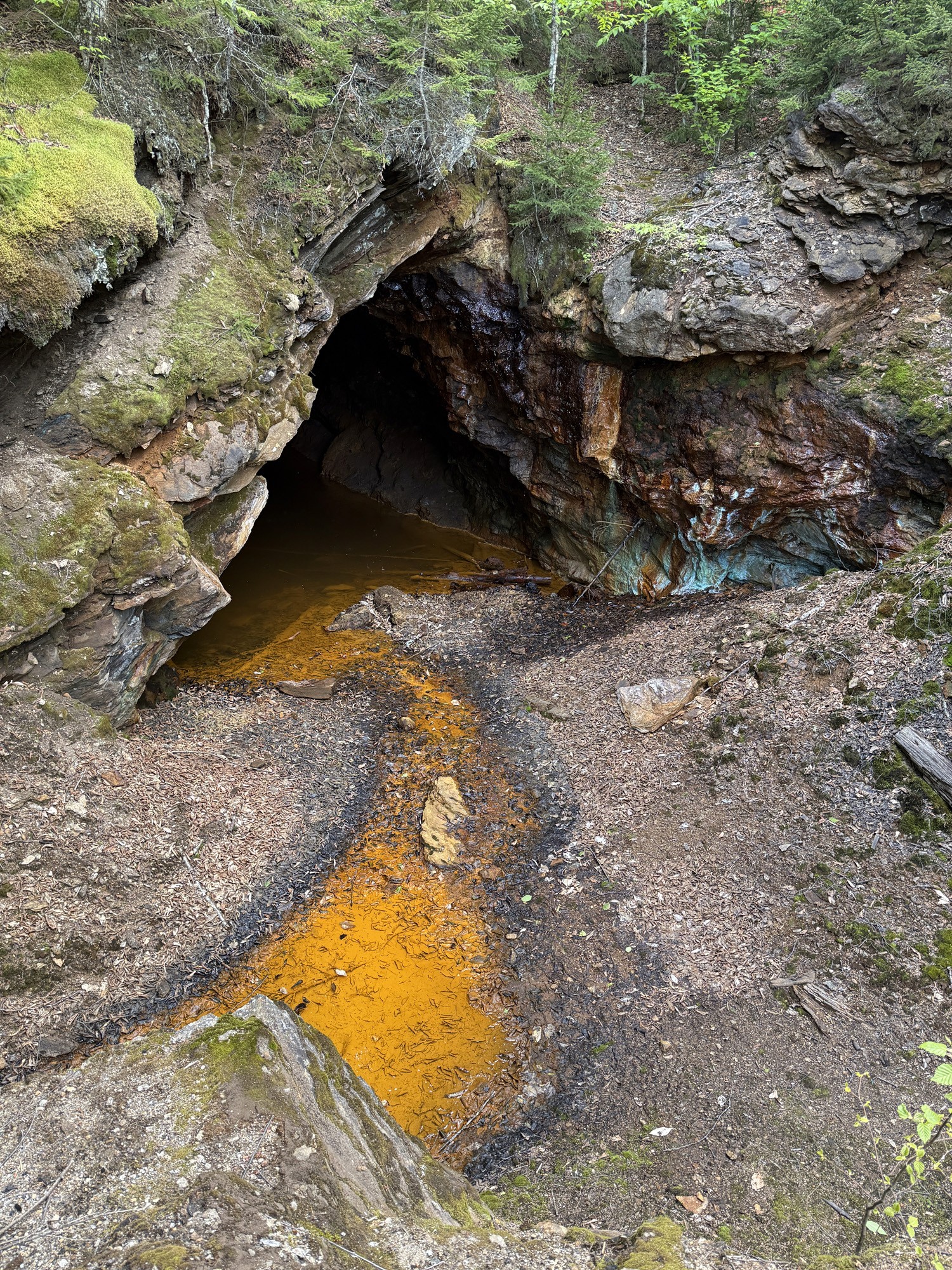
A mine entrance to the abandoned Pike Hill Copper Mine shows copper residue and patina.
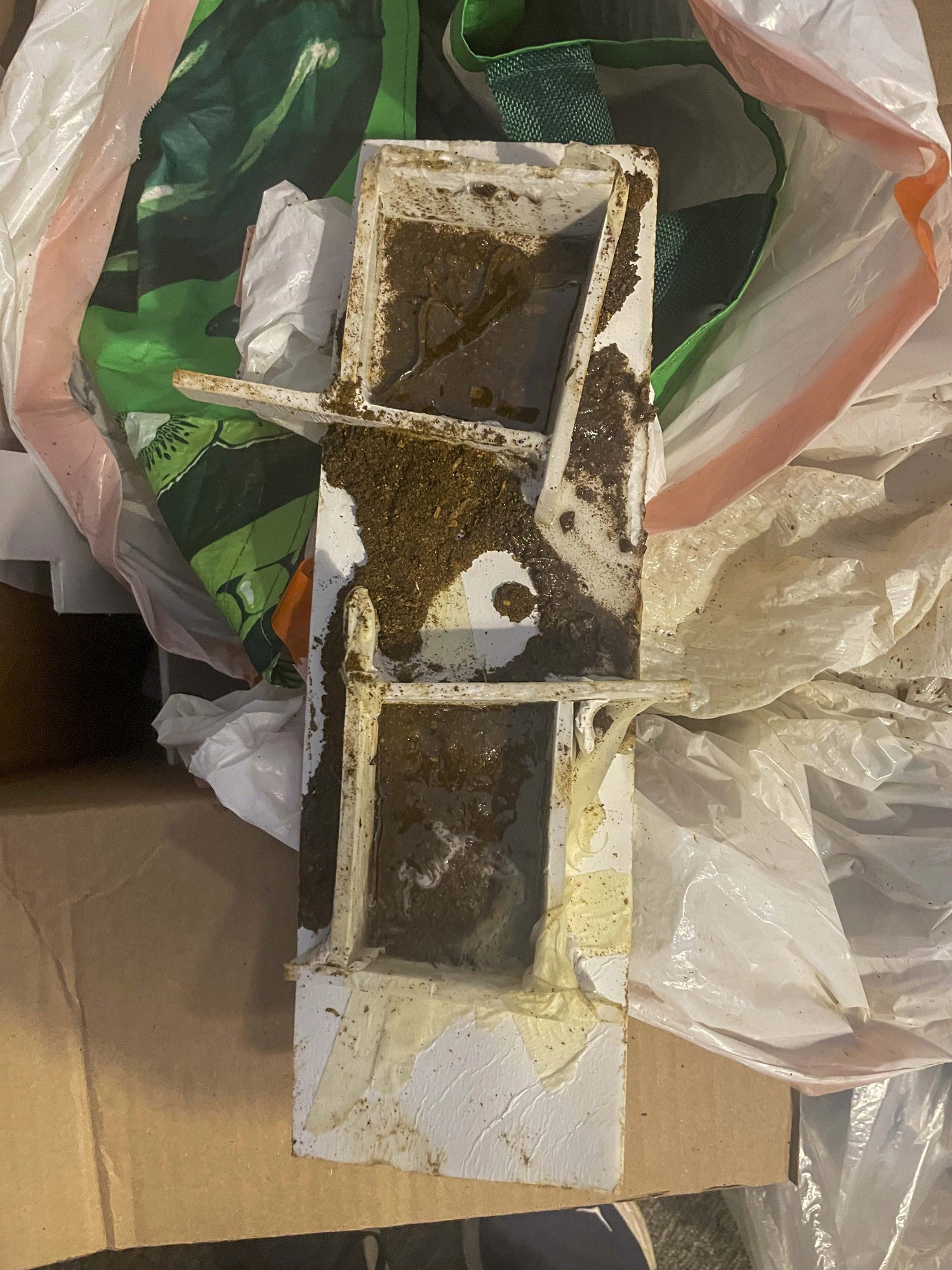
Study models test mine tailings as a material.
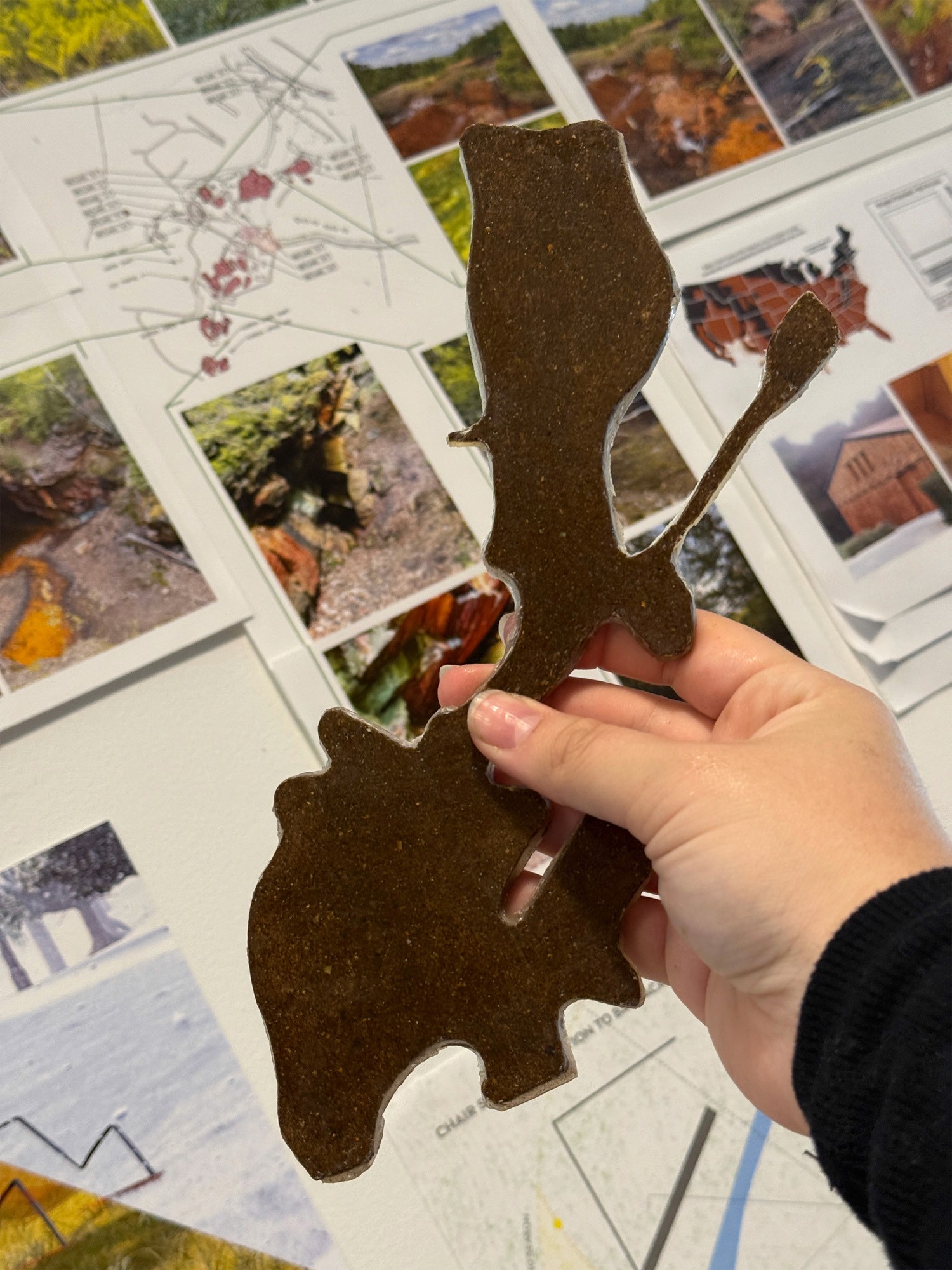
The mine's underground workings are modeled with resin and tailings.
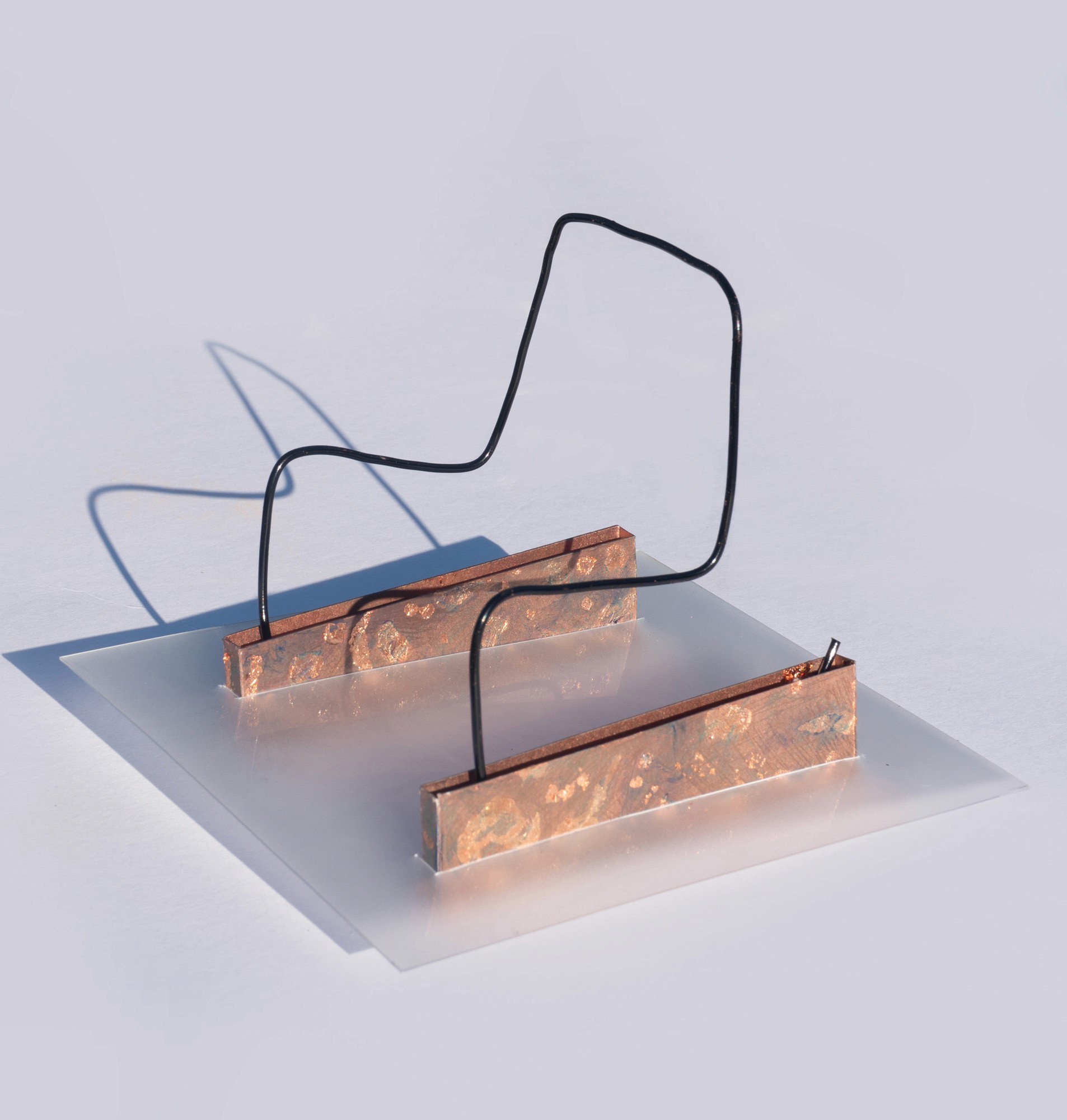
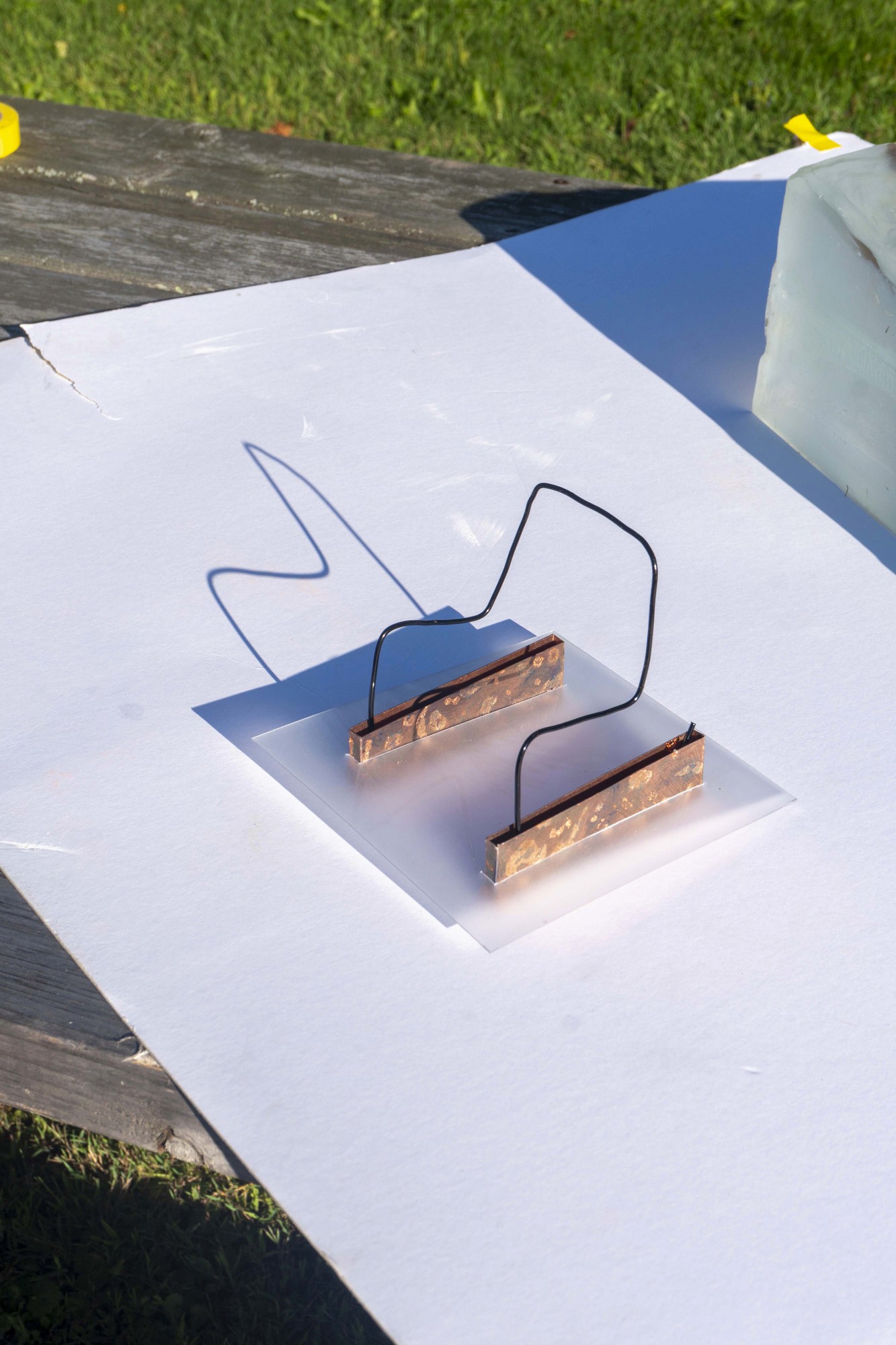
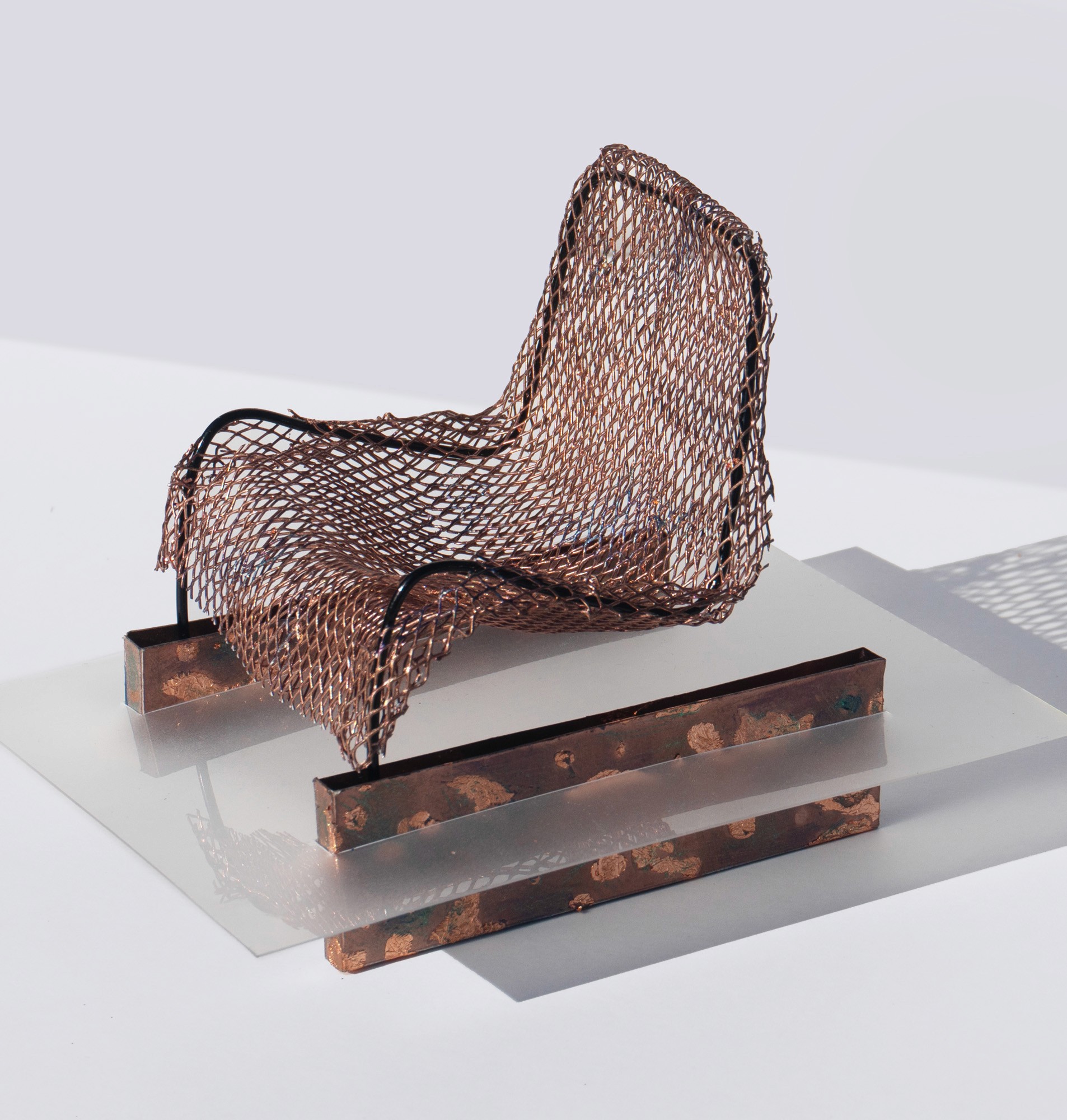
The Chair offers human access to the landscape while negotiating restraint in response to the site's extractive history.
Used for seasonal bat observation, the Chair is embedded in the optimal direction and angle for viewing.
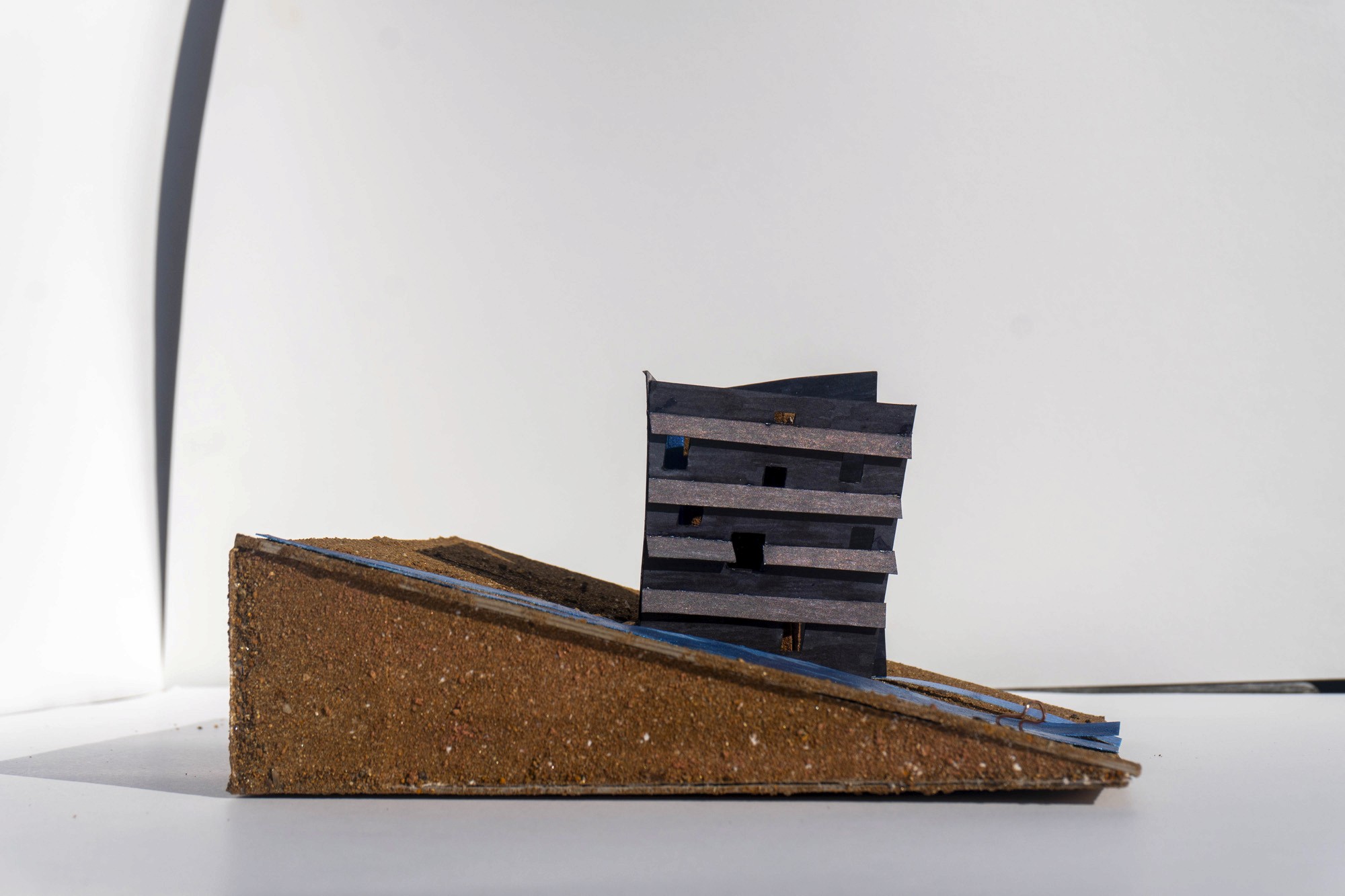
The House is nestled in the site, with below-ground entry echoing that of a mine.
How did you design for the four elements in your project brief - House, Chair, Tool, and Garden?
I spent the entire first month of my residency doing research on the mine and went to the site to see it firsthand. It was just copper-colored dirt, all the trees were dead, and everything was gone because of the mine tailings that destroyed the soil. There were no insects or fish in the streams for miles. I wondered, how could we rehabilitate the land and reinhabit it with the life that was once there?
I started learning about the history of the life and the people who were there. I call it an “abandoned” copper mine, but it's actually been inhabited by bats that are now endangered. The mine is their home. At the beginning of the project, I wasn’t thinking about what form the house, chair, tool, and garden would ultimately take; I was thinking about the project as a whole and what it needed to bring back the life that used to thrive there, and the designs naturally started taking shape.
My final design was an ecosystem of components that were intentionally entangled. The house was designed for both humans and the bats onsite, with the facade made of bat boxes to offer the endangered species a dwelling outside the mine. The chair was designed to repurpose copper waste from the mines into building materials. The tool was a built-in filtration system to restore water quality and feed the plant life in the surrounding area. And finally, the garden consisted of plants that attract night-pollinating insects to serve as food for the bats, while also being fertilized by their guano droppings. In my designs, plants, animals, and humans were both collaborators and clients as they worked together toward a collective regrounding.
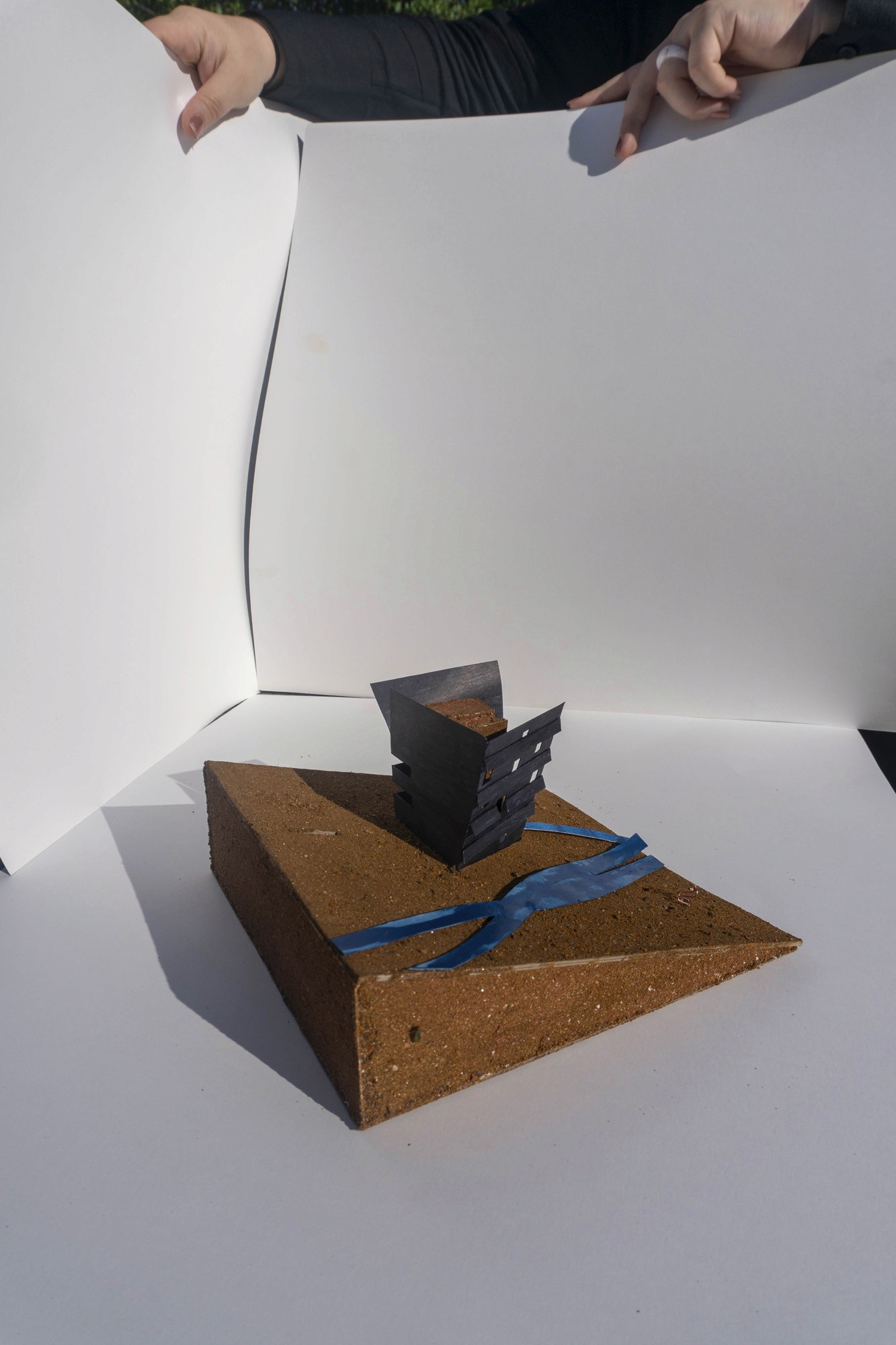
The bat box facade, black to absorb heat, extends along a stream for an ideal bat habitat.
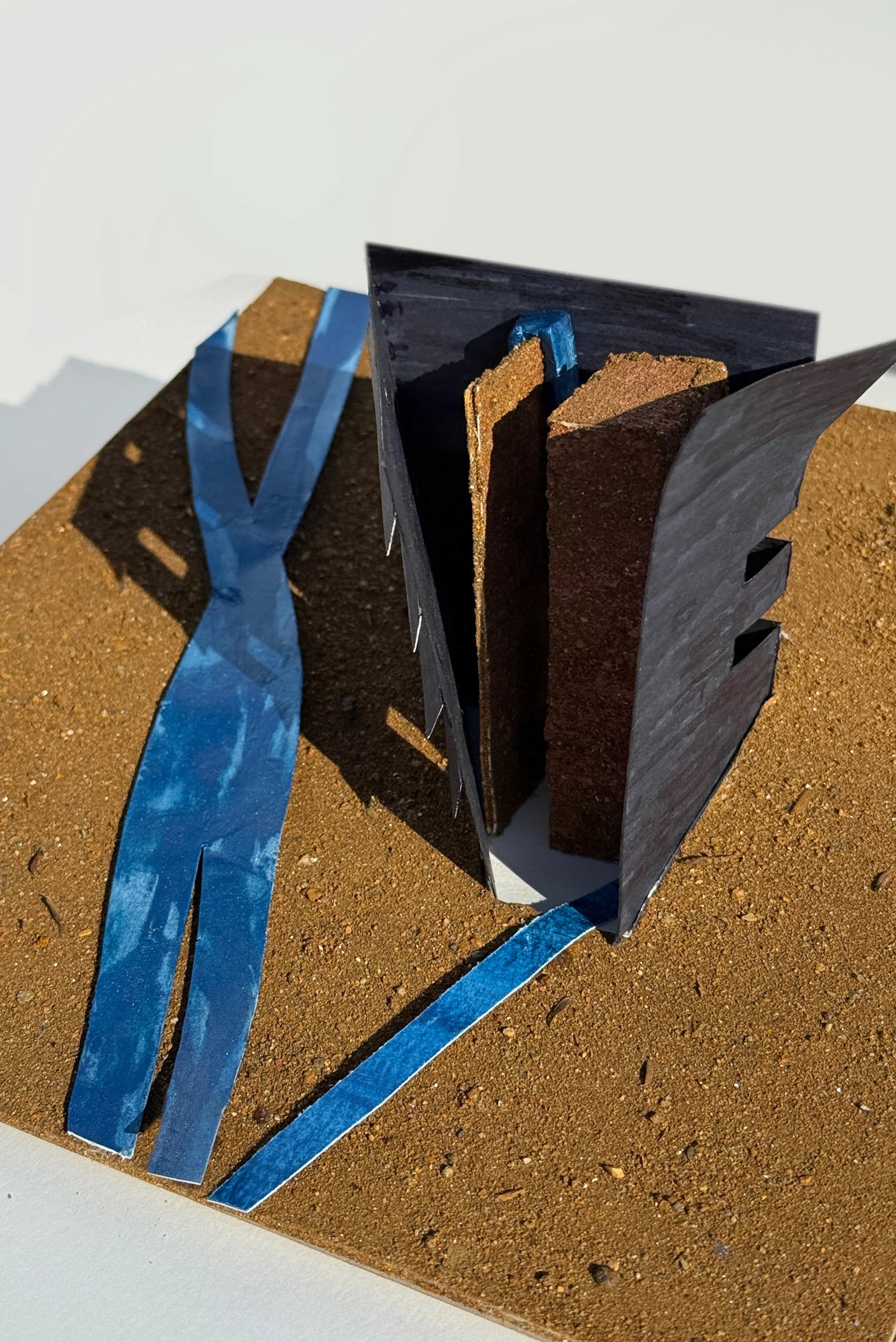
Mine tailings are remediated and repurposed as a building material for the House's core.
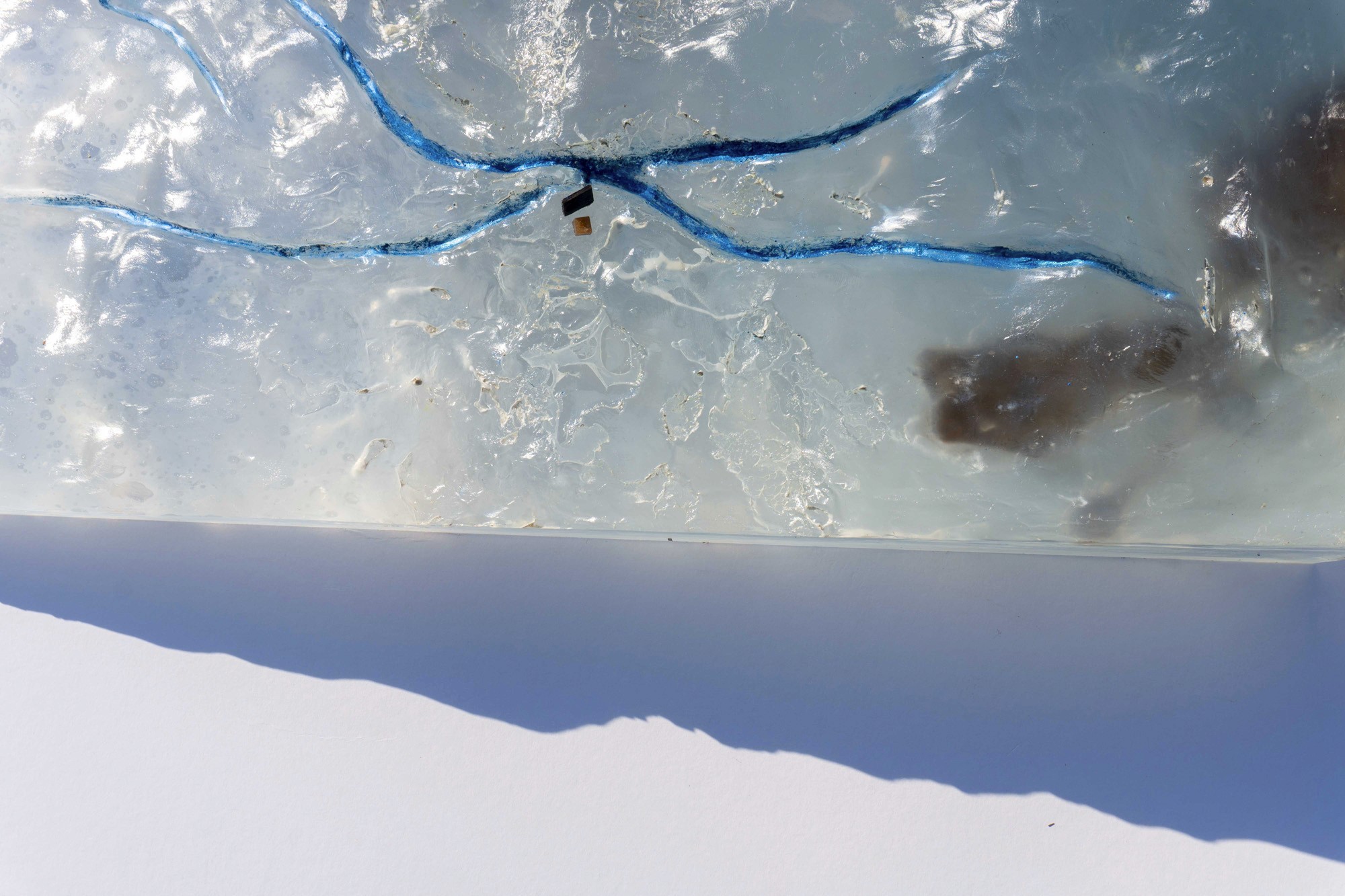
Perennial and ephemeral streams drain from the mines into Pike Hill Brook.
How did your engagement with the architecture team and different departments across Birdseye shape your project?
Everyone on the architecture team was really supportive. The weekly pinups of my work were so important for developing my project. Everyone was always helpful when I had questions, and even when I wasn’t sure what questions to ask, they helped me see my work in a new way that maybe I hadn’t thought of.
Working with the other Birdseye departments was a really unique opportunity. There are not many other positions where you can work on designing a chair, for instance, and then go talk to an expert who knows how to build it best. The copper chair was one of my favorite elements to design, and I loved that I could visit the metal shop and talk to them about it in such a practical way. I got to step away from the research and theory and explore how the materials function. Toward the end of my residency, I was visiting the wood shop for help with my models. Getting to go beyond the 2D drawings with those departments and experiment with the 3D, you start to see the designs differently and so many more ideas come from it.
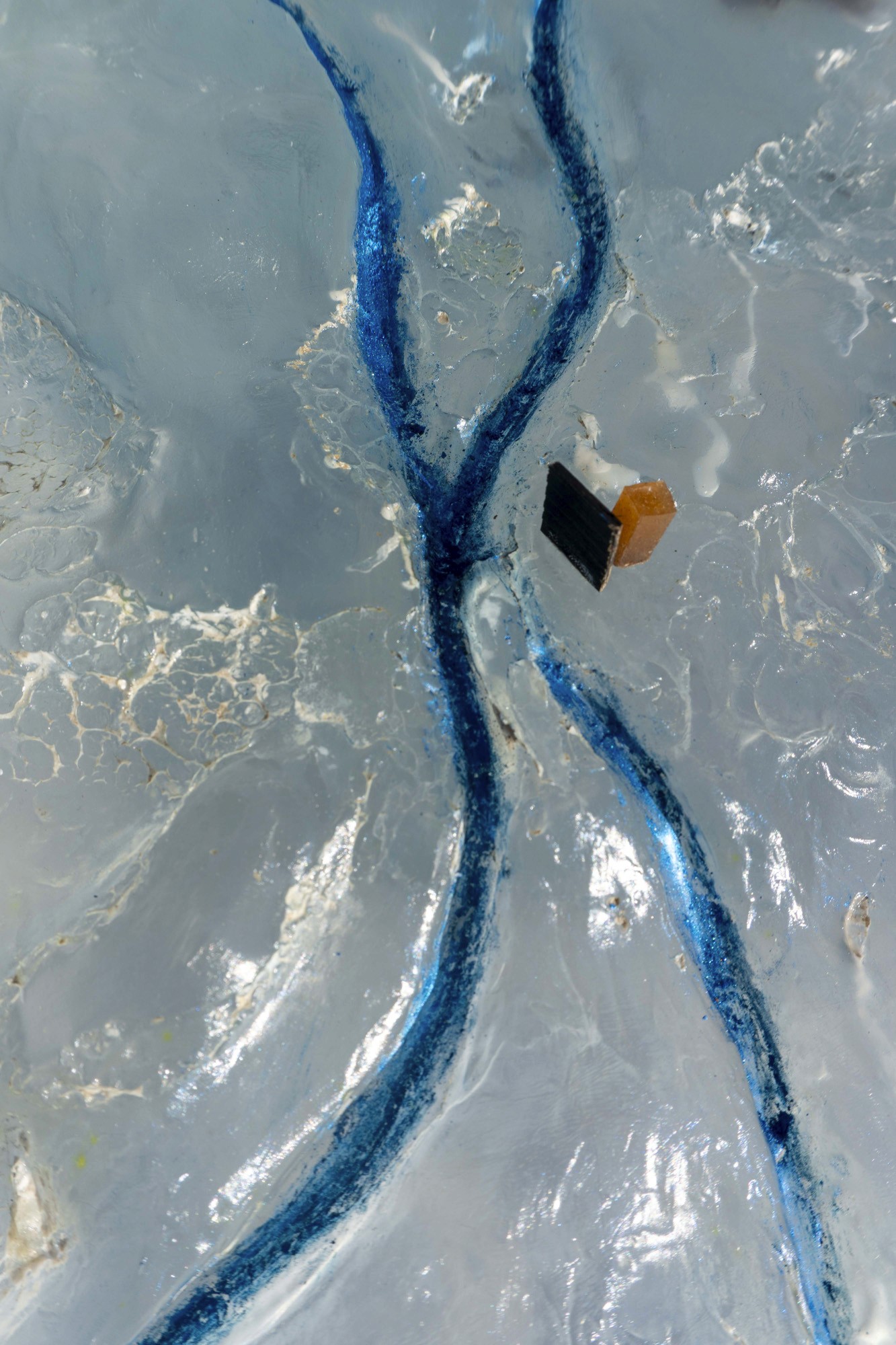
Fish and benthic communities are impaired for miles due to mining-influenced water.
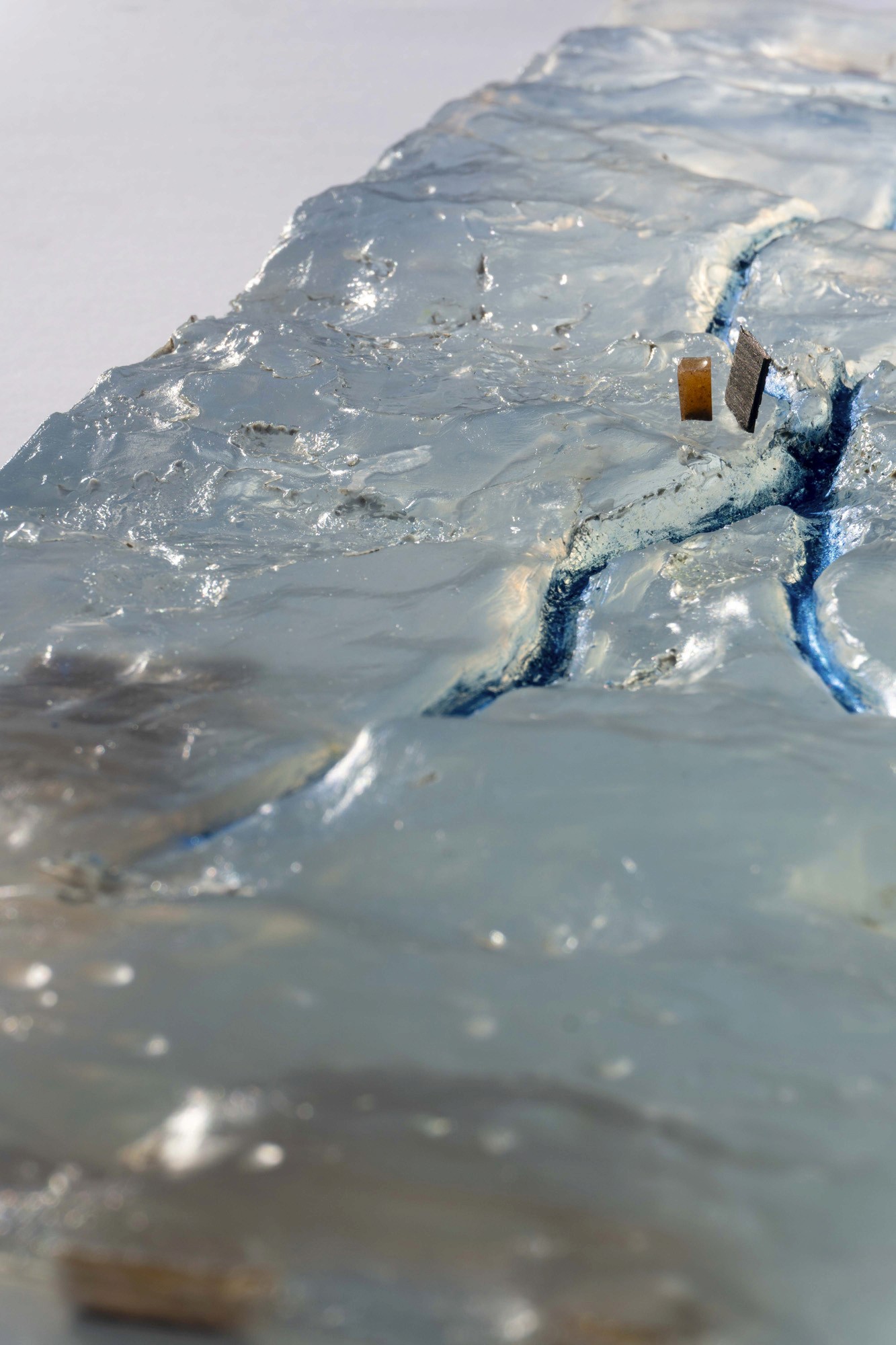
With a pH of just 2, the stream is acidic and saturated with heavy metals.
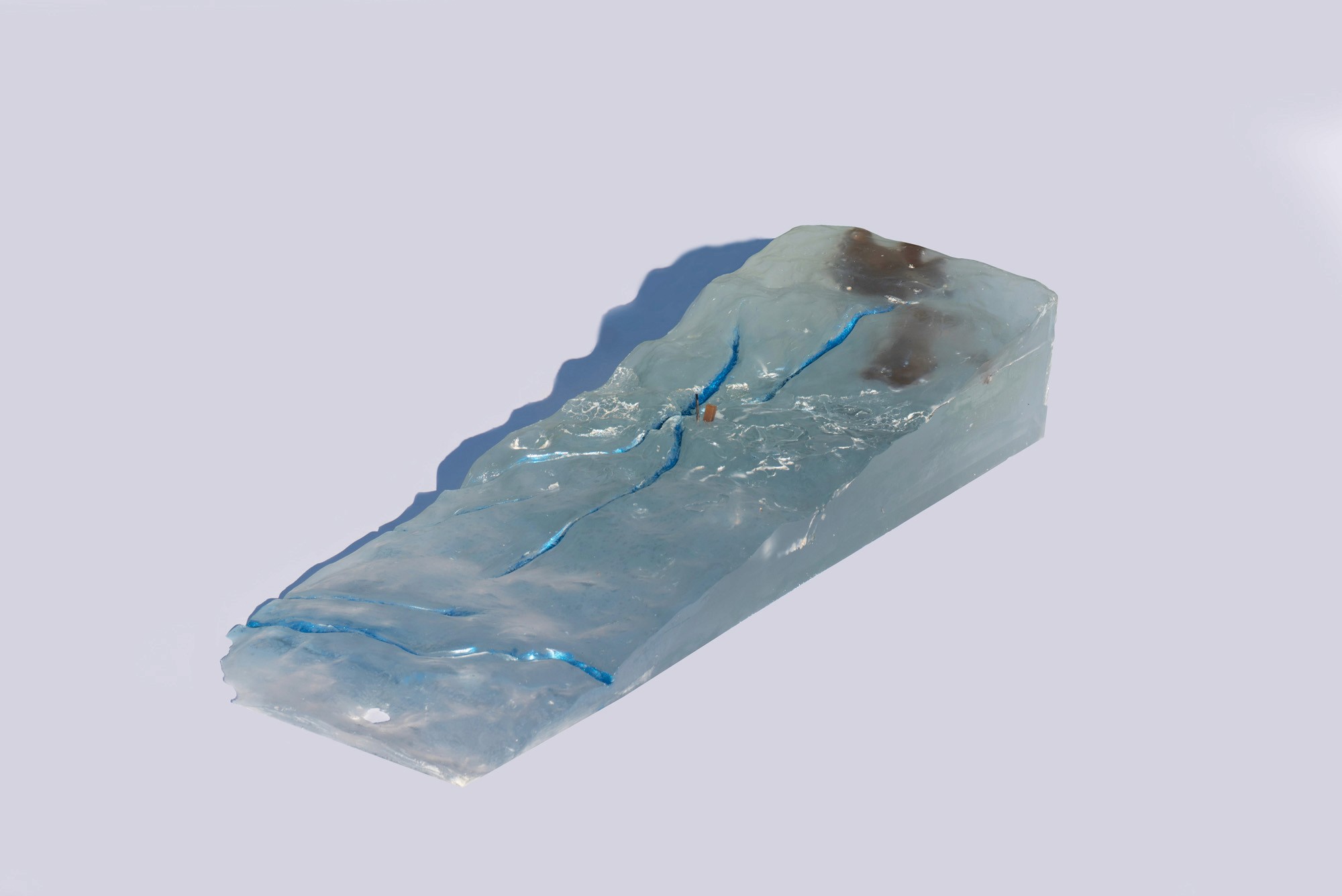
Rehabilitating the site supports the rehabilitation of its many ecologies.
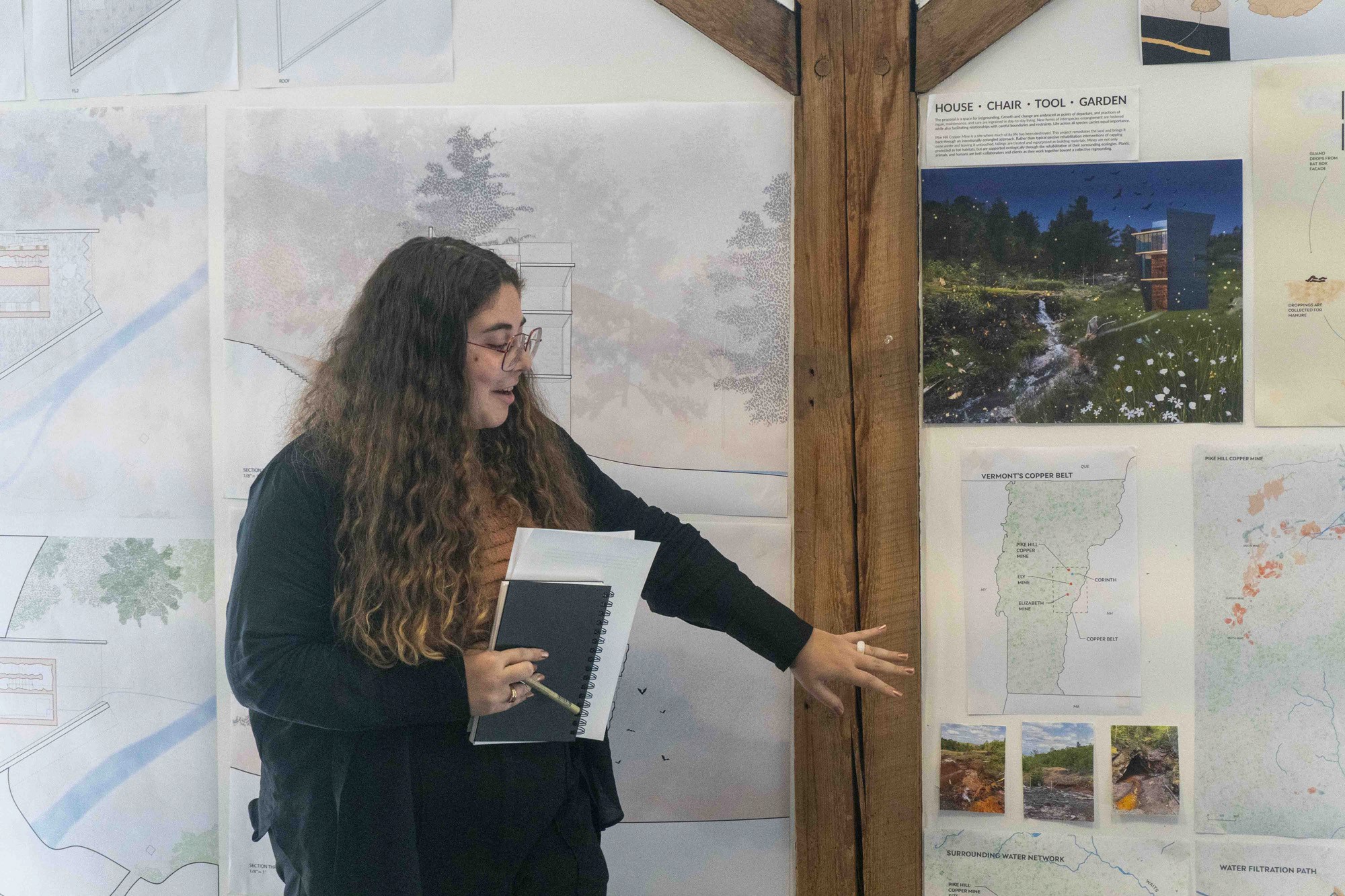
Marly McNeal presenting her final project.
How did the program help you develop your architectural sensibilities?
The residency offered a really nice balance between receiving support from Birdseye and having the time and freedom to work independently. It felt like an extension of school, but in a way that gave me more agency as a designer. I wasn't limited in any way, but if I needed some structure, I could ask for that. Moving forward, I feel more comfortable exploring projects on my own. I don't need someone to tell me what to do, when to do it, or how to research it. I feel comfortable doing that on my own now, largely because I saw I was capable of it during my residency.
What did you take away from the residency, both personally and professionally?
My biggest takeaway, especially at a time where I'm transitioning out of school and into the workplace, is that the residency reminded me what I want to do and who I want to be as a designer. It made me rethink what a client is. In this project, the plants, animals, and humans are all co-clients. Learning from the land and exploring throughout the project is something I want to carry forward with me. I went into architecture to build things for people, but to make a difference, to make a positive impact, is the ultimate goal.
Images featuring 2025 Resident Marly McNeal’s project (re)grounding Pike Hill, a project that reimagines the degraded Pike Hill Copper Mine as a site of active, interspecies remediation.
Interview and Words by Mallory StaubPhotography by Birdseye
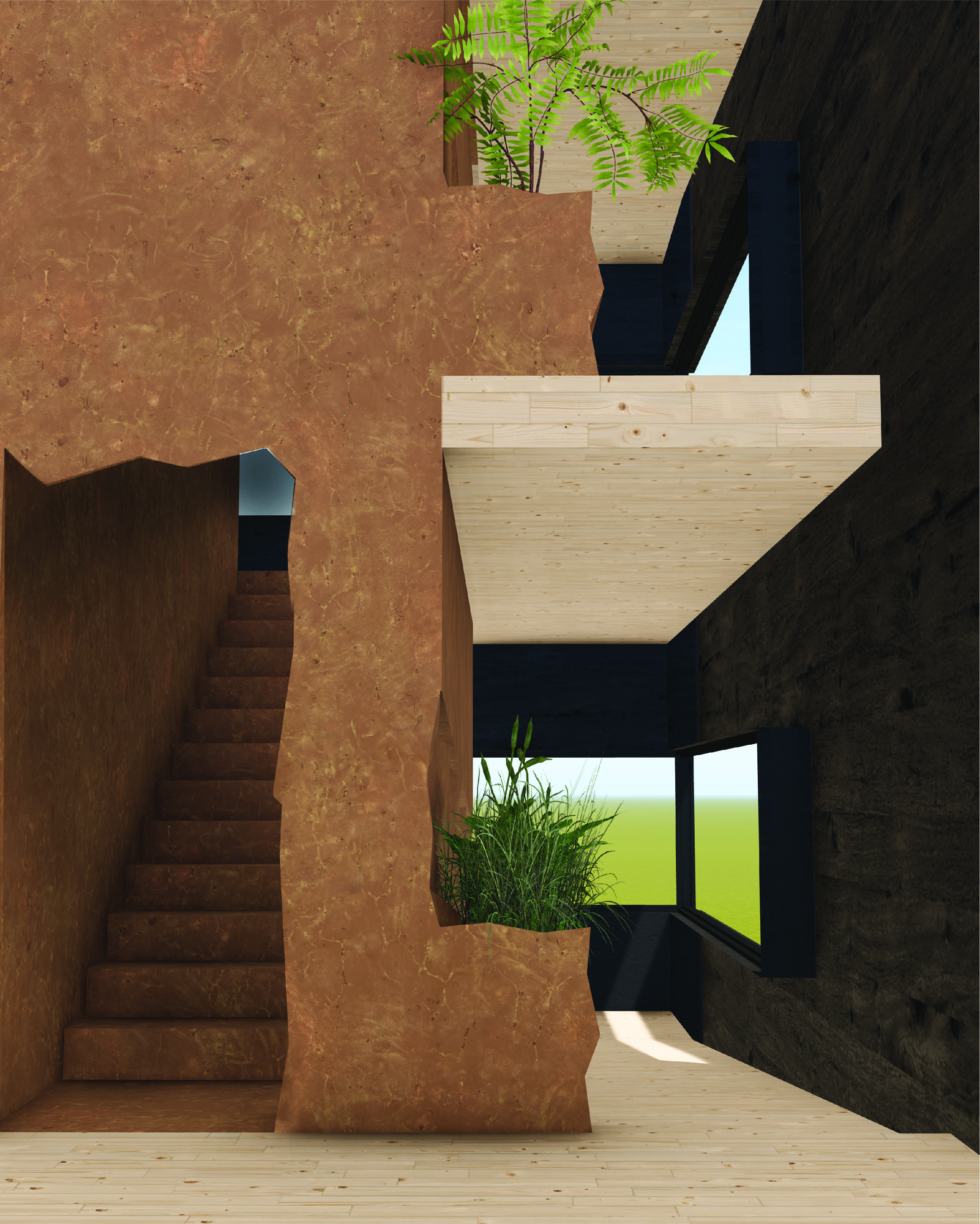
Selected plant species serve as a Tool for greywater filtration throughout the home.
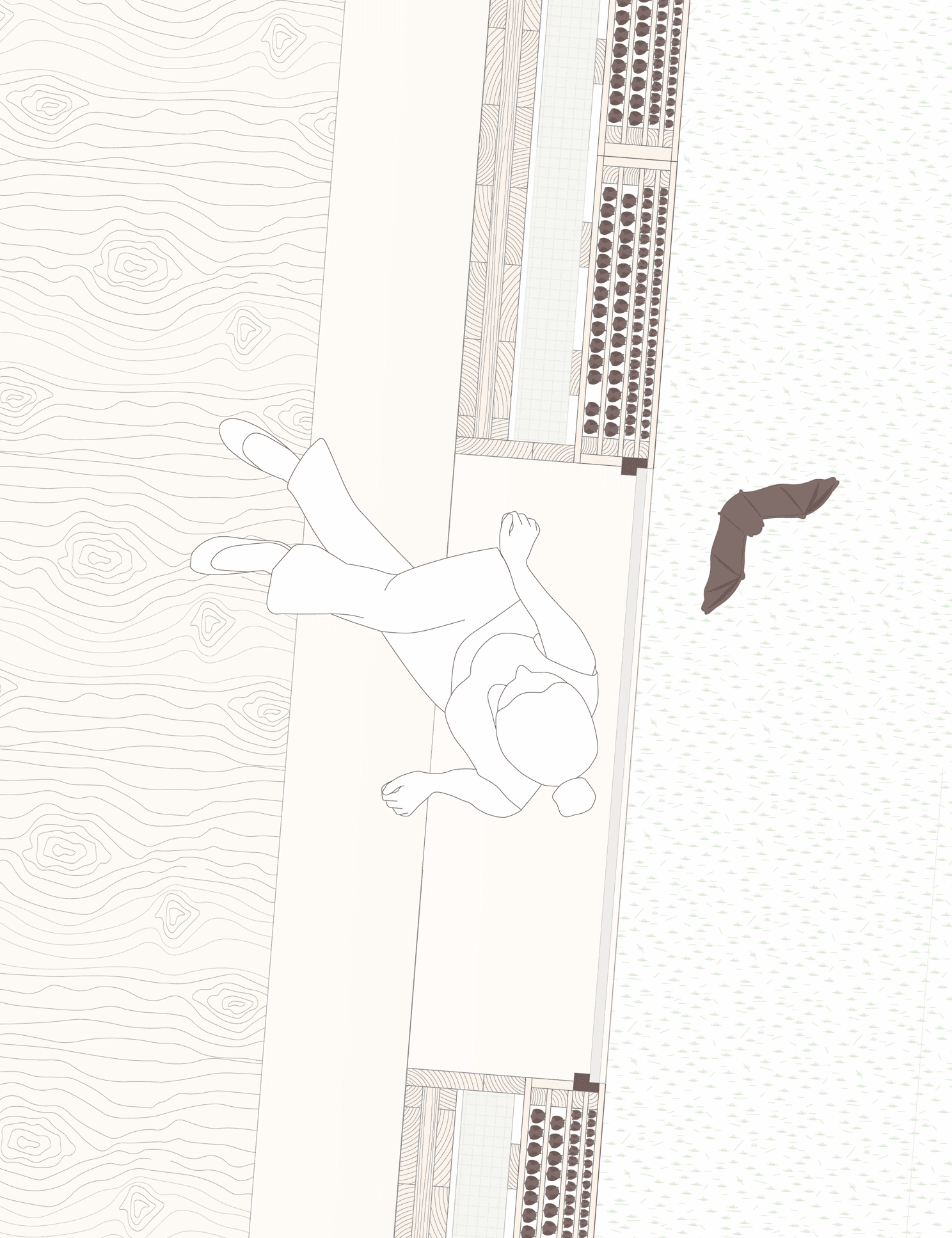
Bat boxes become the facade itself, transforming the House into an interspecies home.