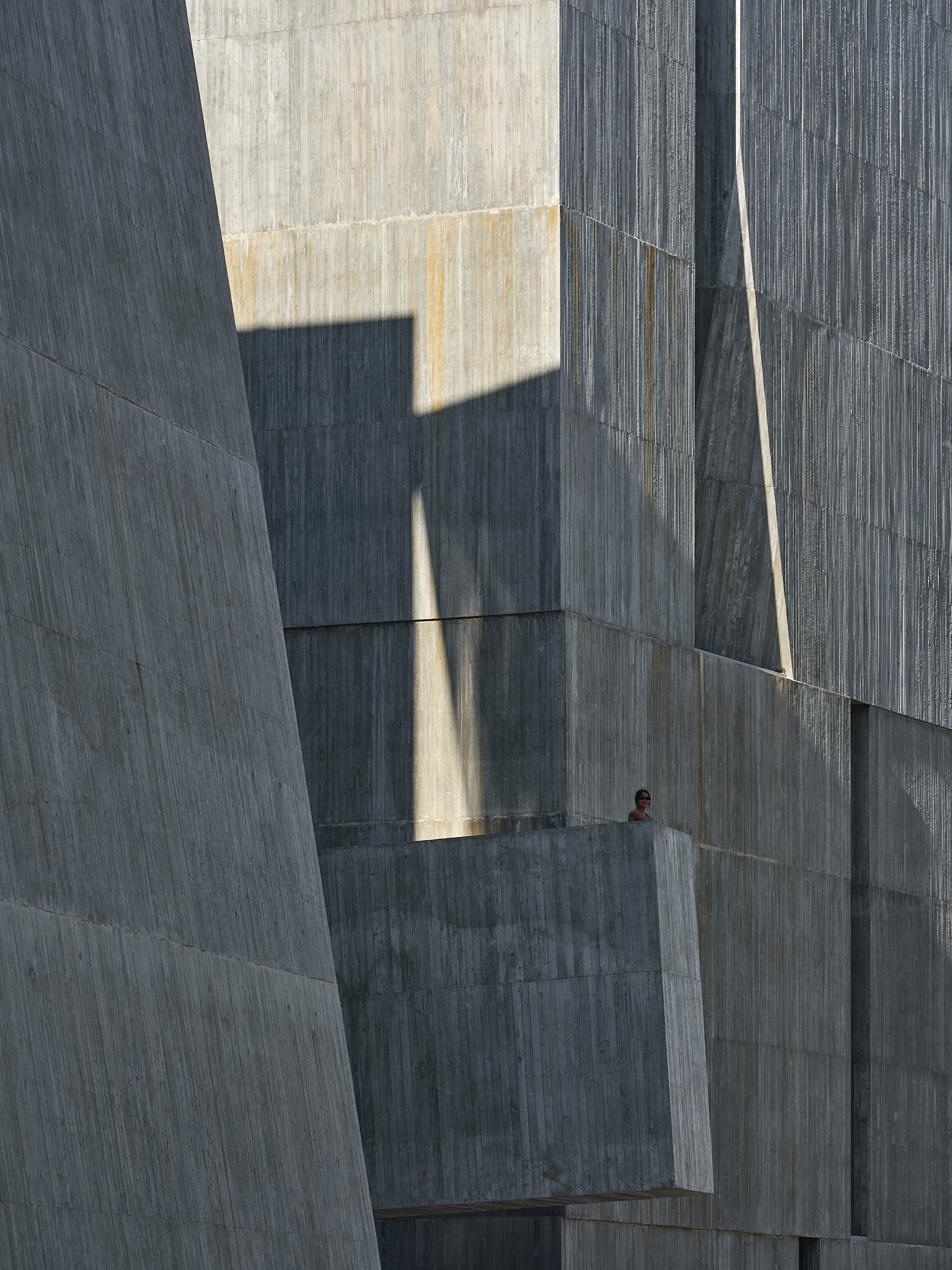
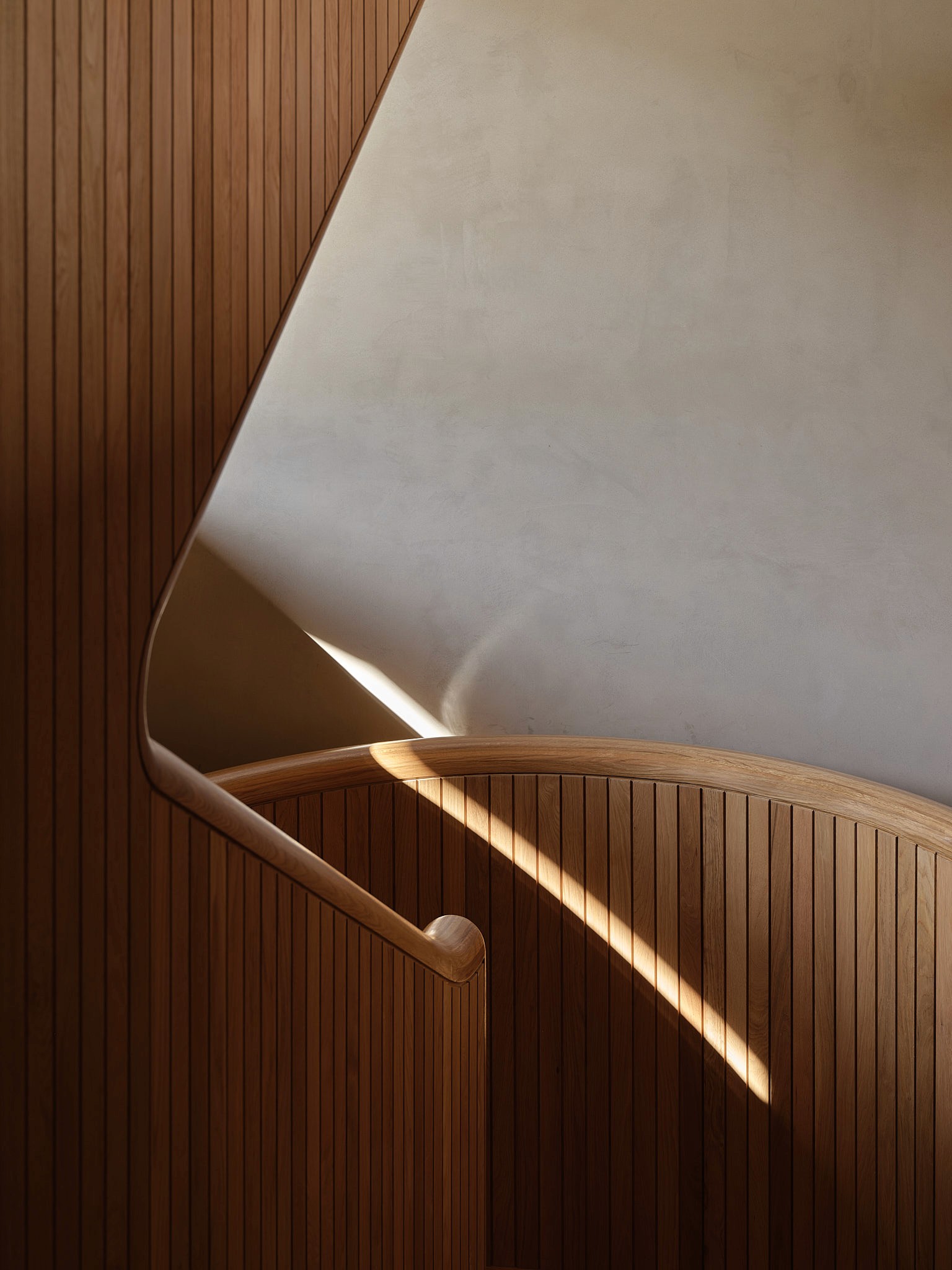
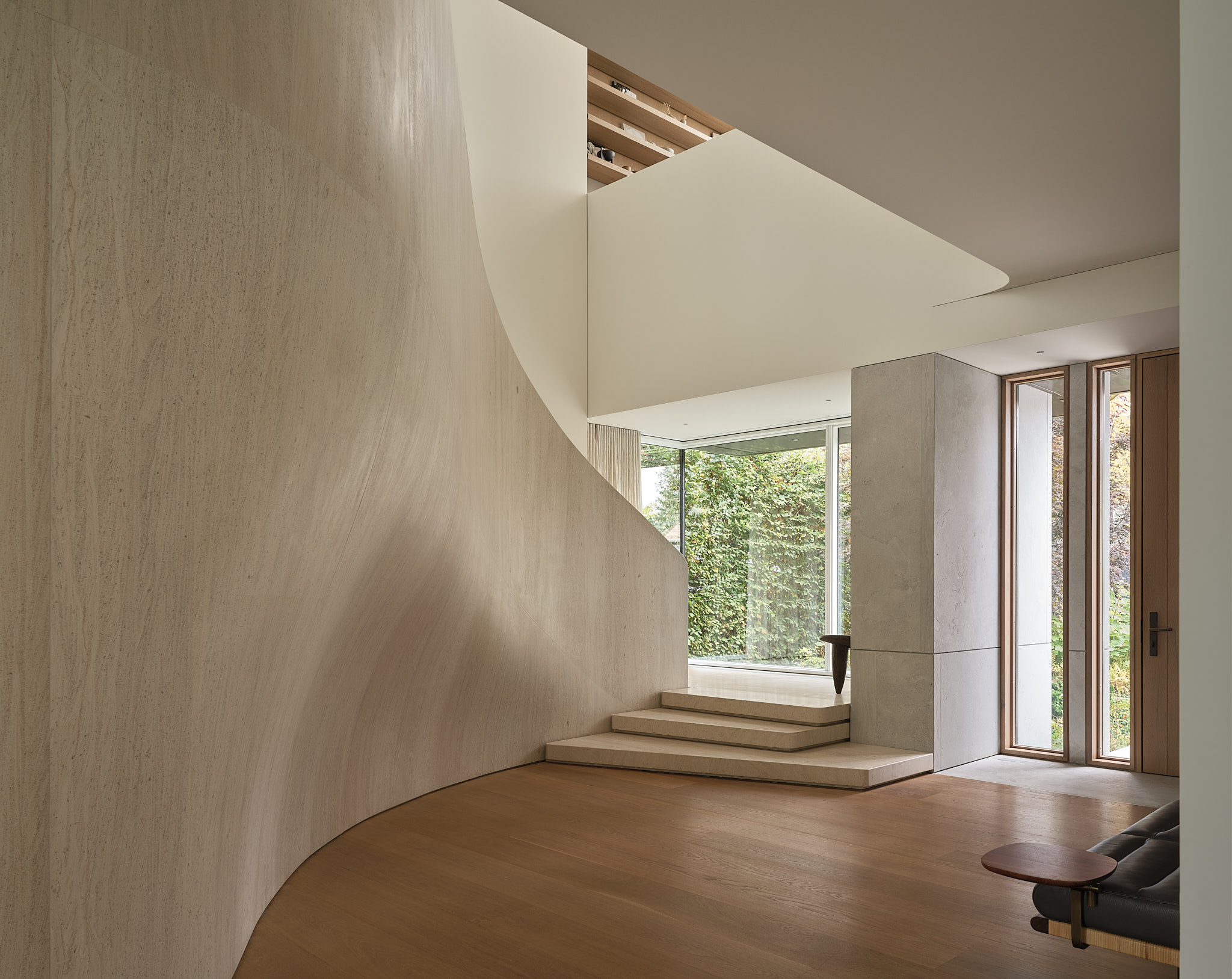
Russell Hill Road by Michael Boxer Architects and Pencil Design
Architecture is static until it is witnessed. It requires the movement of light and the eye of an observer to truly come alive. In this installment of Shared Perspectives, we sit down with Younes Bounhar of doublespace, a photographer whose background in science lends a rigorous, almost obsessive clarity to the way he captures the built environment.
What first drew you to photography?
I’m a very late bloomer when it comes to photography. I was a scientist by training for a long time. All I ever wanted to do, ever since high school, was pursue a career as a biologist, but a six-week trip to Australia completely changed that for me. In my travels, I stopped in a town called Noosa Heads and discovered photography almost by accident. I wandered into a gallery that was showing the work of a landscape photographer. It was a really well-curated experience of beautifully lit, beautifully framed, large landscape prints. I thought to myself, wow, what if I could get paid to travel and photograph the world? I flew back home and picked up a camera. I was 27 at the time, and I don't think I'd ever been so instantly hooked on anything in my life. I started as a landscape photographer. It was really about being in nature and recording all of the beauty that I saw and felt. For me, photography has always been about capturing that feeling of awe and introspection.
Why shoot architecture?
I was doing landscape photography for years and years. At the time, I lived in Ottawa, which didn't offer much in terms of landscape opportunities. I was getting tired of going to the same lake or forest, so I started exploring different subjects, and buildings happened to be one of those. I slowly started incorporating the built environment and capturing buildings from a creative, more abstract perspective. My wife and business/creative partner, Amanda, is an architect. For both of us, photography started to become less of a hobby and more of an obsession. When we say we eat, sleep, and drink photography, it's not an expression. We started talking about what we could capture that we both loved—and buildings were that thing. The built environment was that thing. I think, in our day-to-day life, we do not realize how much buildings affect us. We are surrounded by buildings all the time. We walk through buildings, we work in buildings, we live in buildings, and we kind of take them for granted. Amanda and I truly love and care about architecture, and we might approach our subjects through that lens even more than a photographic one.
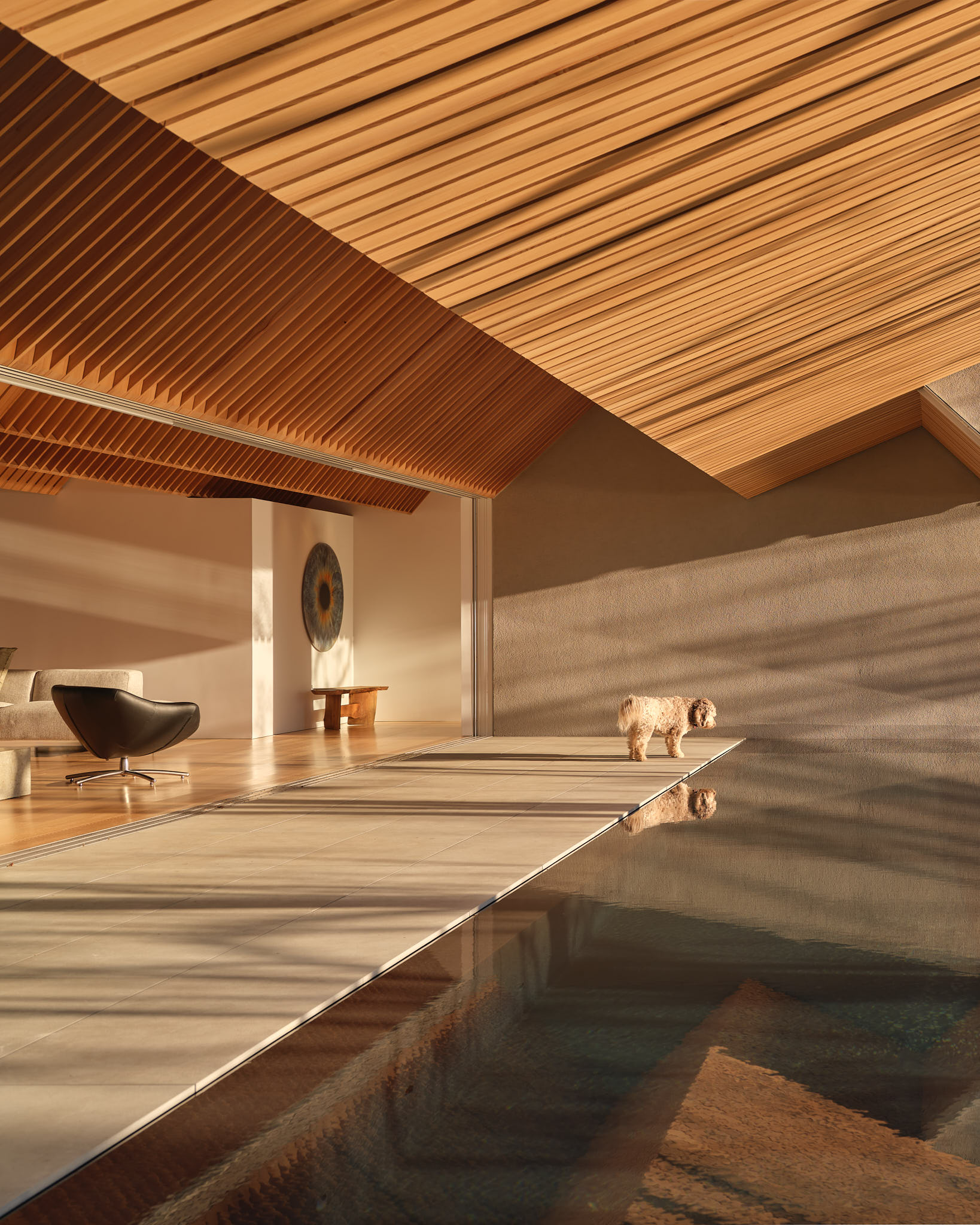
Arbour House by Patkau Architects
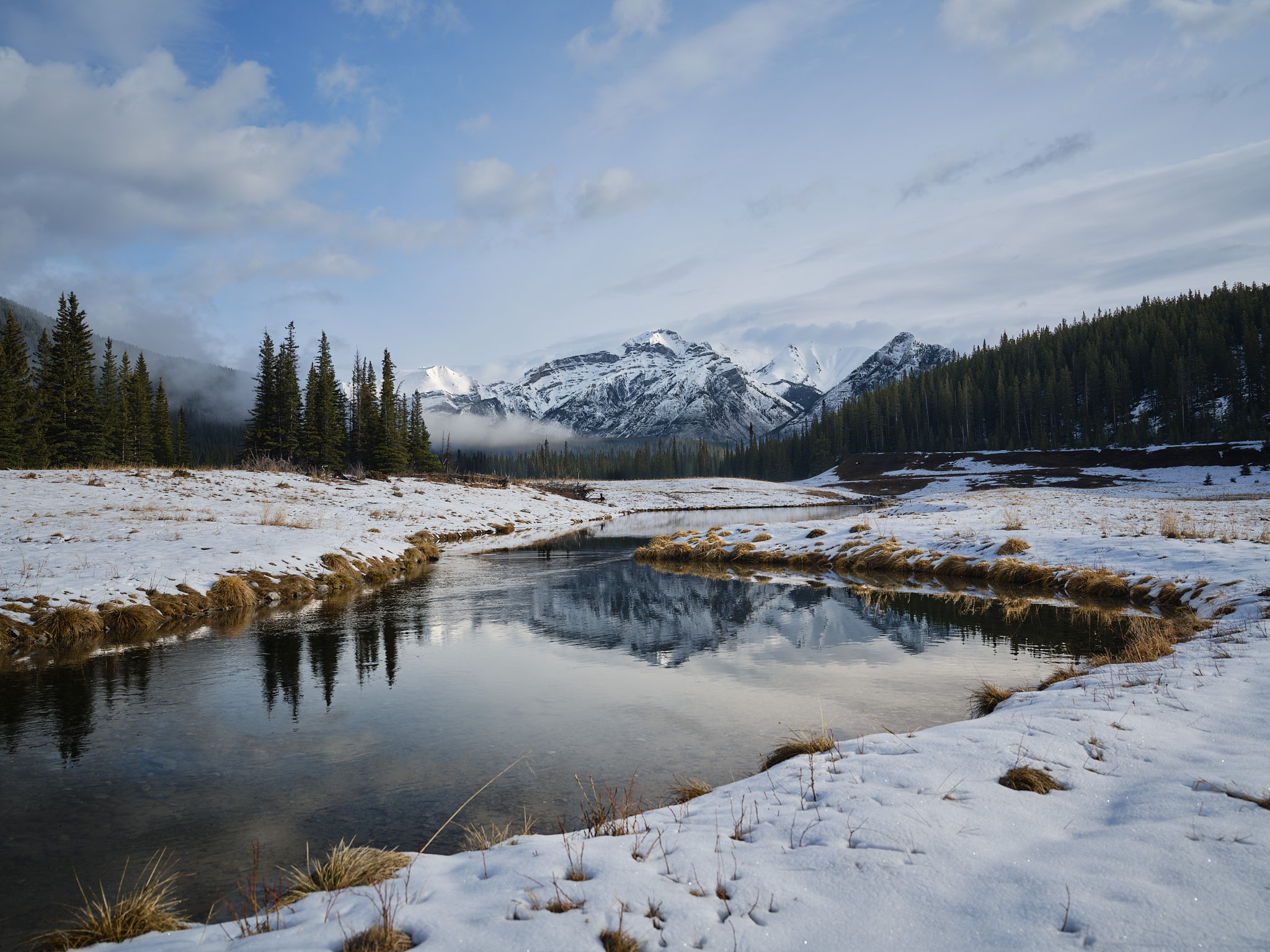
Banff National Park
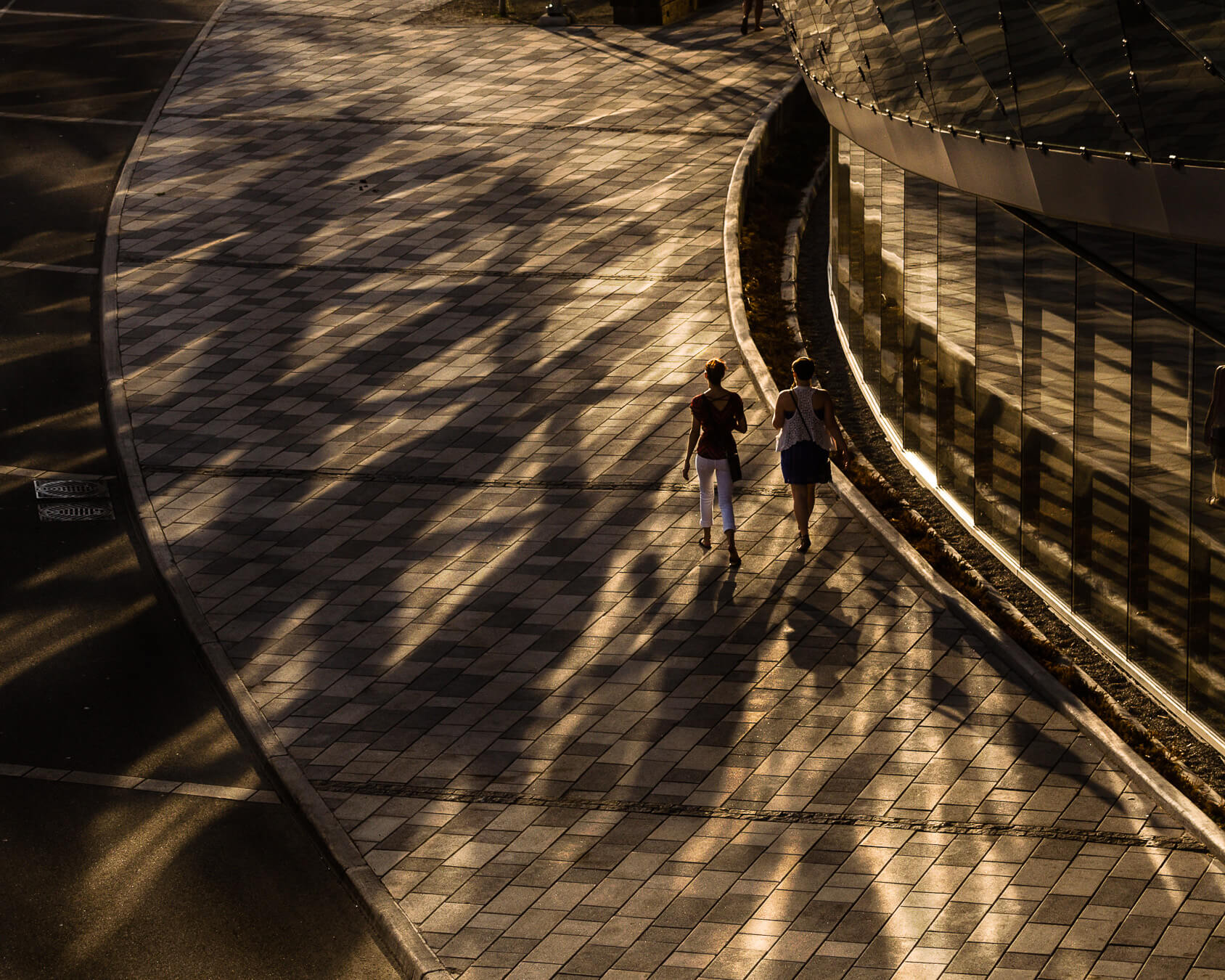
Ottawa Convention Centre by BBB Architects
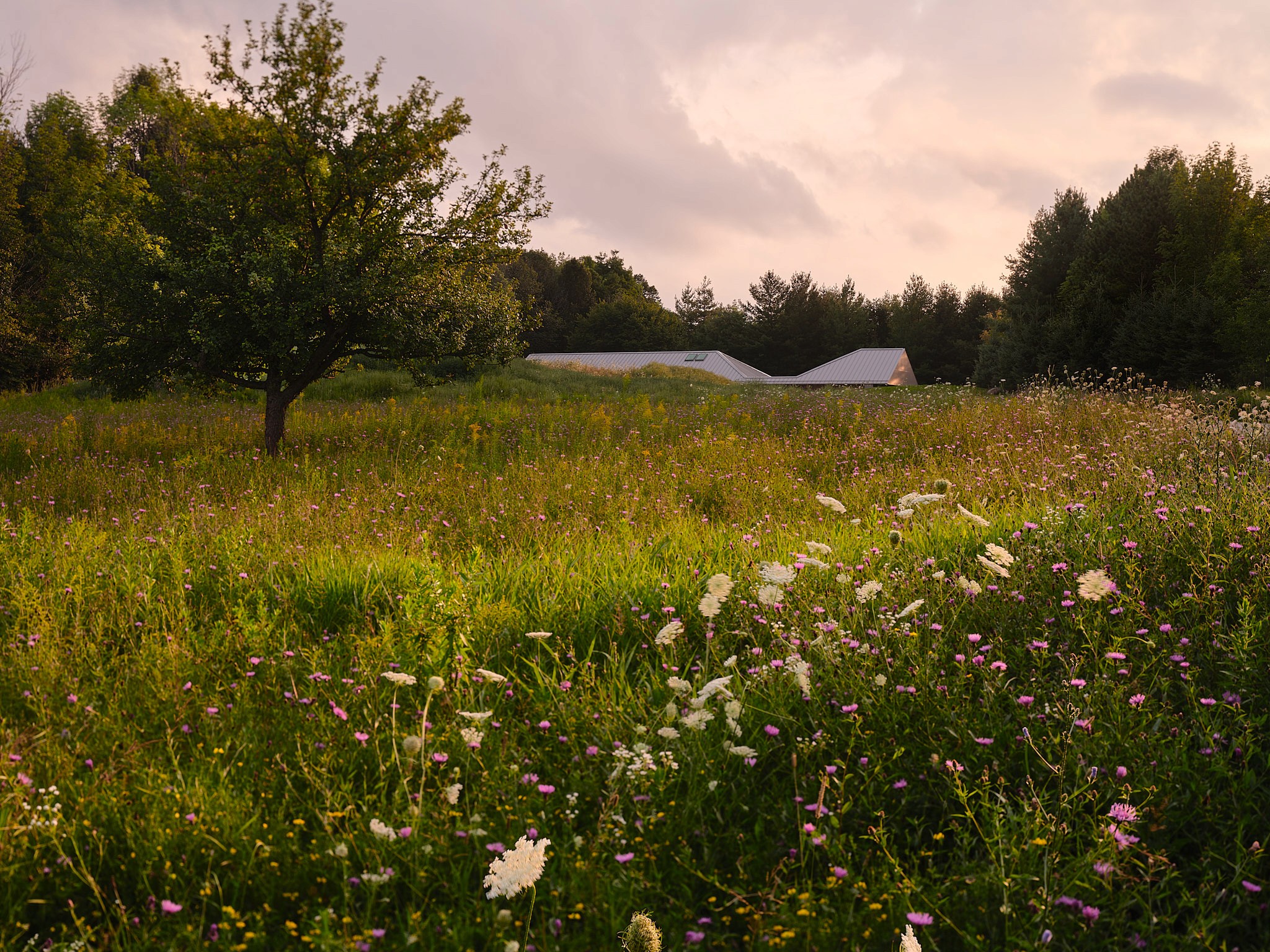
Ridge House by Superkül Architects
What’s your creative process for capturing a space?
We don't approach anything with any preconceived ideas. Every project has its own merit and is photographed in that respect. We do not subscribe to a style. We let the project dictate that. There are different buildings built for different needs by different people, so there shouldn't be one approach. That's the basis of it. There are two sides to what we do. There is definitely a documentary side. You need to explain the building, give the viewers an understanding of what it’s about. But, to me, the more important side is to show what makes the space special. We like to talk to the architects and designers and try to get them to articulate what they’re trying to say with their project, and then we translate that into a photograph. Our job is very much the job of a storyteller. There is a language to photography. There is a way in which you can lead the viewer to what’s important, what's critical, what's to be remembered.
How do you see light when you move through a project?
We don't call it photography for nothing. Light is the be all, end all. Generally, we rely on natural light as much as we can. When we do use artificial light, the idea is that the viewer can’t tell. We know from experience how light behaves, so we try to plan for that, but sometimes we let the light dictate the shot. I always like to be able to see what the project is going to give me on that day. Oftentimes, I redo the same shot 2, 3, 4 times in different kinds of light, because sometimes one is better than the others, but you don't know until you see it. Sometimes the story is in having a space that looks and feels so radically different in those changing lights.
You recently photographed Birdseye’s project, TeglHus, which has since been nominated for Best Residential Architecture by the Créateurs Design Awards. What was your approach to capturing that space?
TeglHus is a study in restraint. It has a limited but powerful material palette, which actually makes it harder to photograph. The space was stunning with gorgeous textures and equally beautiful furnishings. However, due to its complex geometry, it presented a few challenges in terms of light. Each space had to be photographed at specific times to highlight the spatial arrangement, the materiality and textures. It required patience to let the building speak.
Two things to me stand out from the shoot. One is the fact that we ultimately worked over almost three days. I showed up a day early and did a bit of scouting. The light was great, so I did photograph it before the shoot officially started. The other part is—and, for me, this is critical—the Birdseye team was amazing. They were excited about the project. They were excited about the collaboration. They had a clear sense of what they wanted to say, but they also had respect for what I was bringing to the project. The people are the single biggest factor. We were able to work together to tell this story.
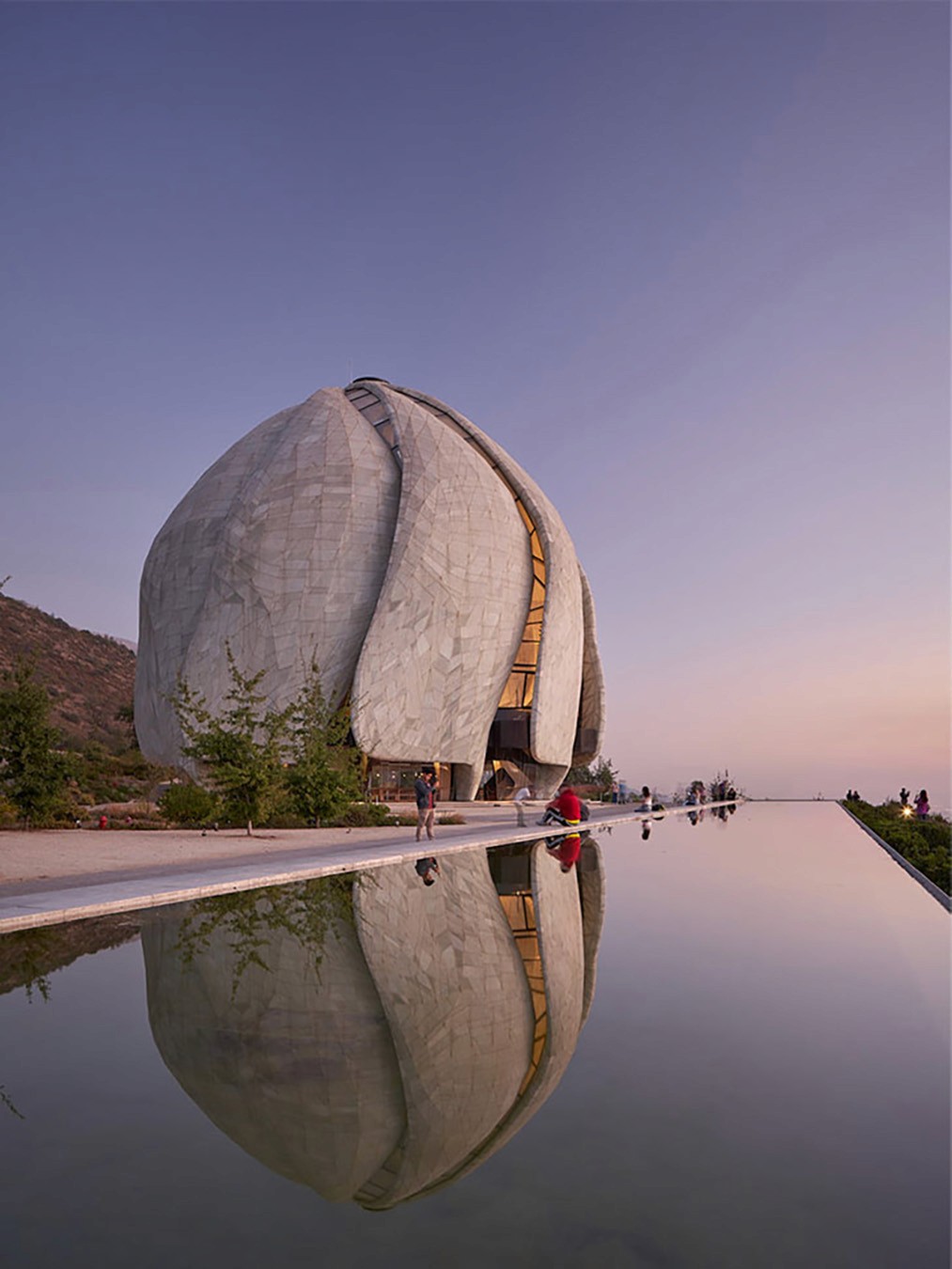
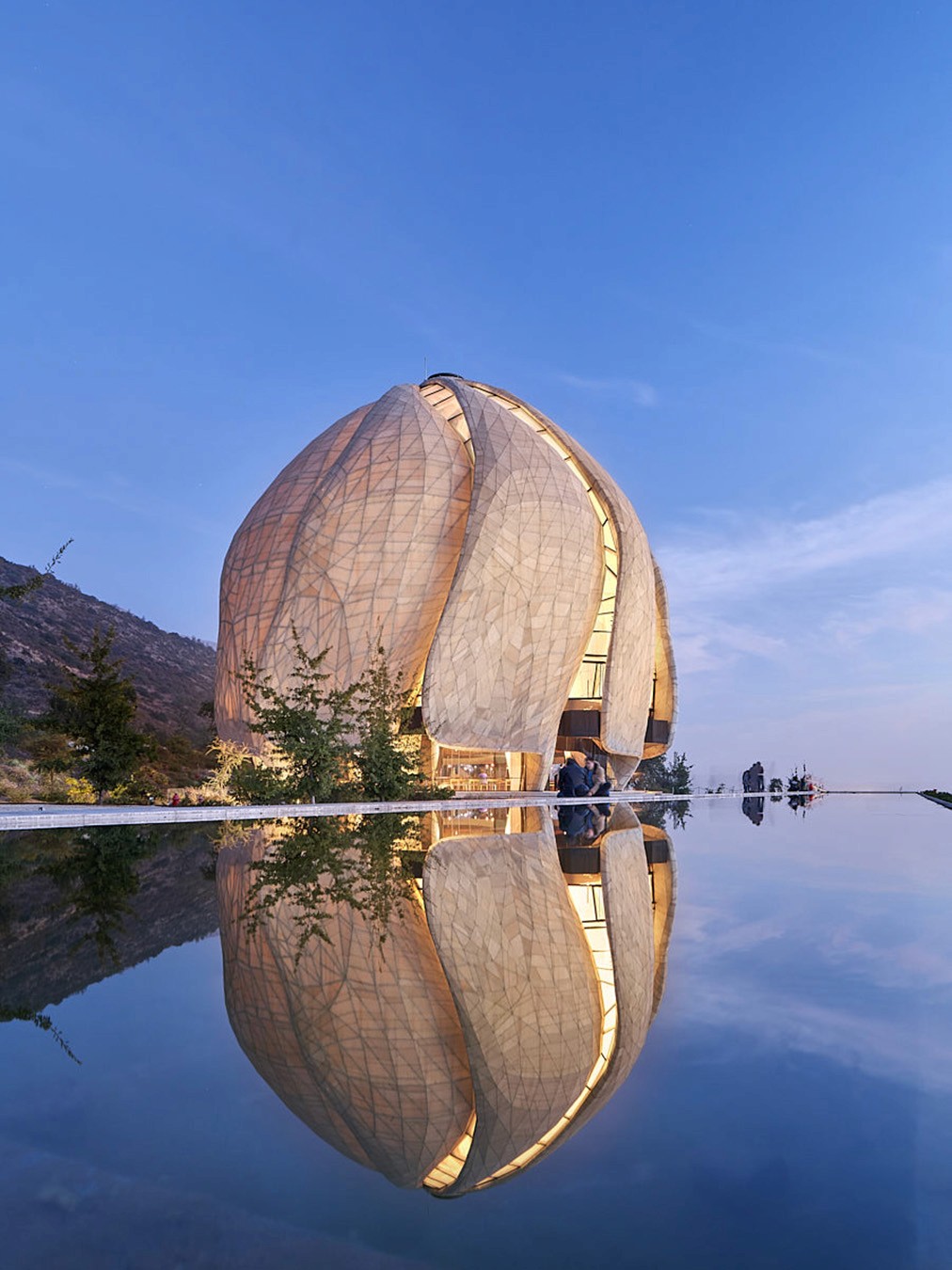
Baha'i Temple of South America by Hariri Pontarini Architects
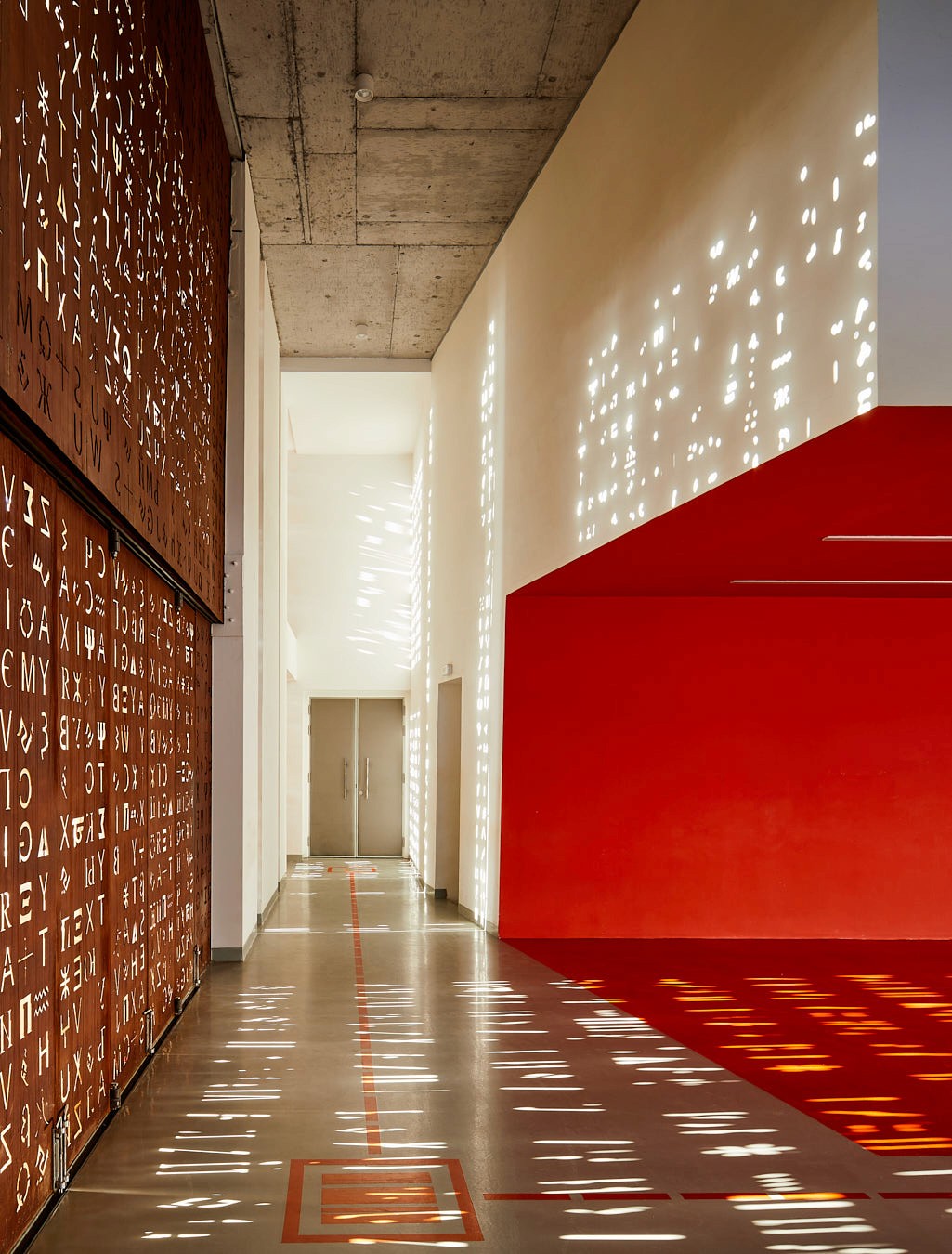
IPSE School by Tarik Zoubdi Architects
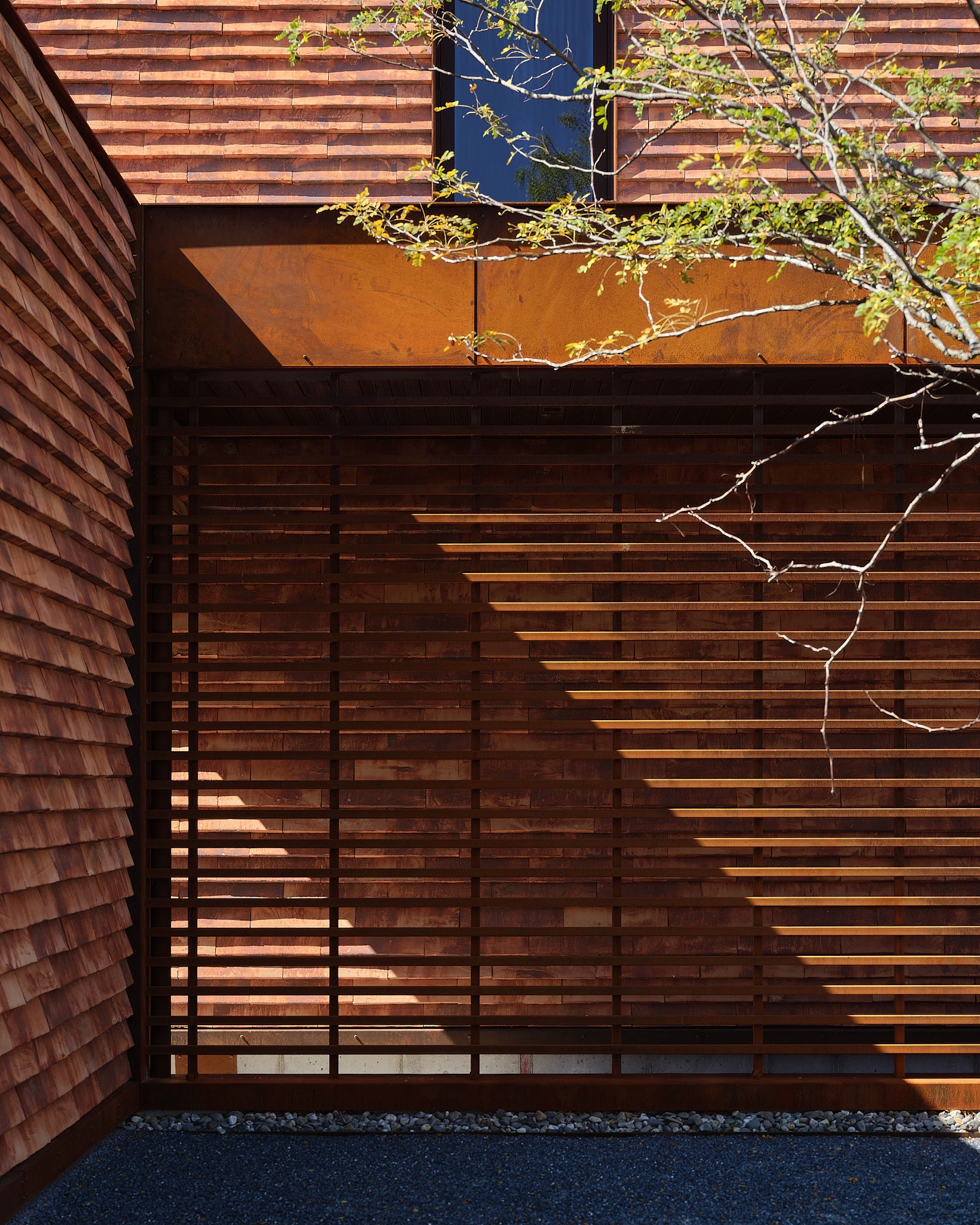
TeglHus by Birdseye
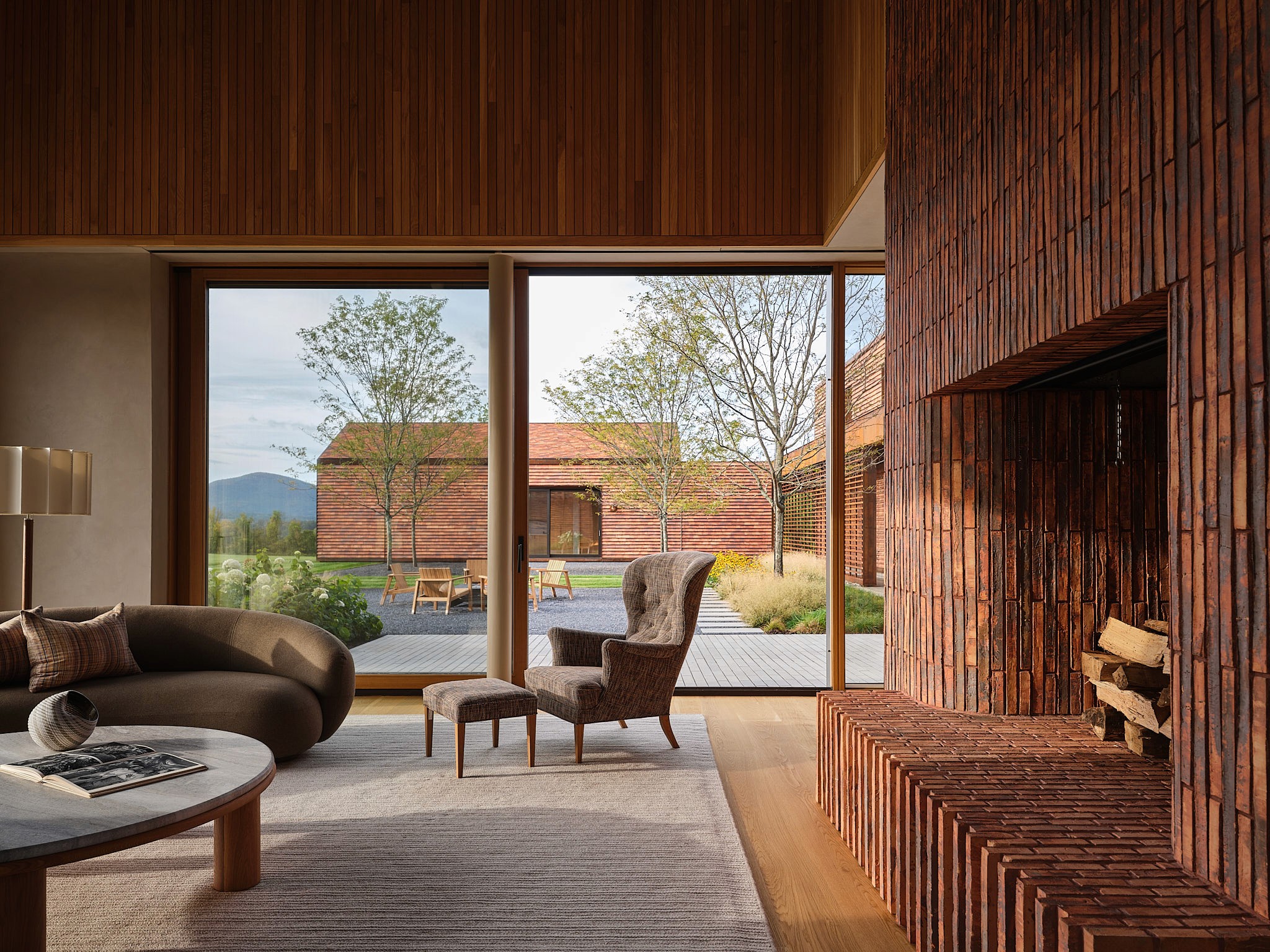
TeglHus Birdseye
What are you watching, reading, doing to revitalize yourself and your practice?
Travel is probably the number one source of inspiration at this point in our careers. We love going to see buildings that are, for lack of a better word, transcendental. We love traveling to places where the architecture speaks to us directly. We tend to go back to Spain and Portugal because we love how humble the architecture is. It's not about tons of materials or money. It's just really well done.
Visually speaking, we've always loved the work of Ezra Stoller, Hufton+Crow, and many more. Helene Binet is probably who we’d say we want to be when we grow up. Nick Merrick has been a big influence in my life and changed how I think about photography, or at least how I talk to myself about it.
Ultimately, like any other line of work, practice makes perfect. I'm constantly looking at what's out there. Why are images catching my eye? Why do they work? Why don't they work? The learning doesn't stop, and that’s why I love photography so much. I've never walked into a shoot and thought, I can just cruise through this one. The challenge never ends, and that’s how I like it.
What’s next for you creatively?
There's part of me that wants to introduce a bit more spontaneity and serendipity to the equation. I would love to photograph a house where I’m allowed to shoot it just the way it is and not move anything. Kind of embrace the chaos. I think it gives you a different perspective. I shoot on a tripod 100% of the time, which means everything is deliberate and slow, and that means you miss moments you don’t have time to set up for. I’d love to be able to respond to the environment in a way that's a little less staged. Just let it be.
Interview by Mikulak DesignWords by Mallory StaubPhotography by Younes Bounhar of doublespace
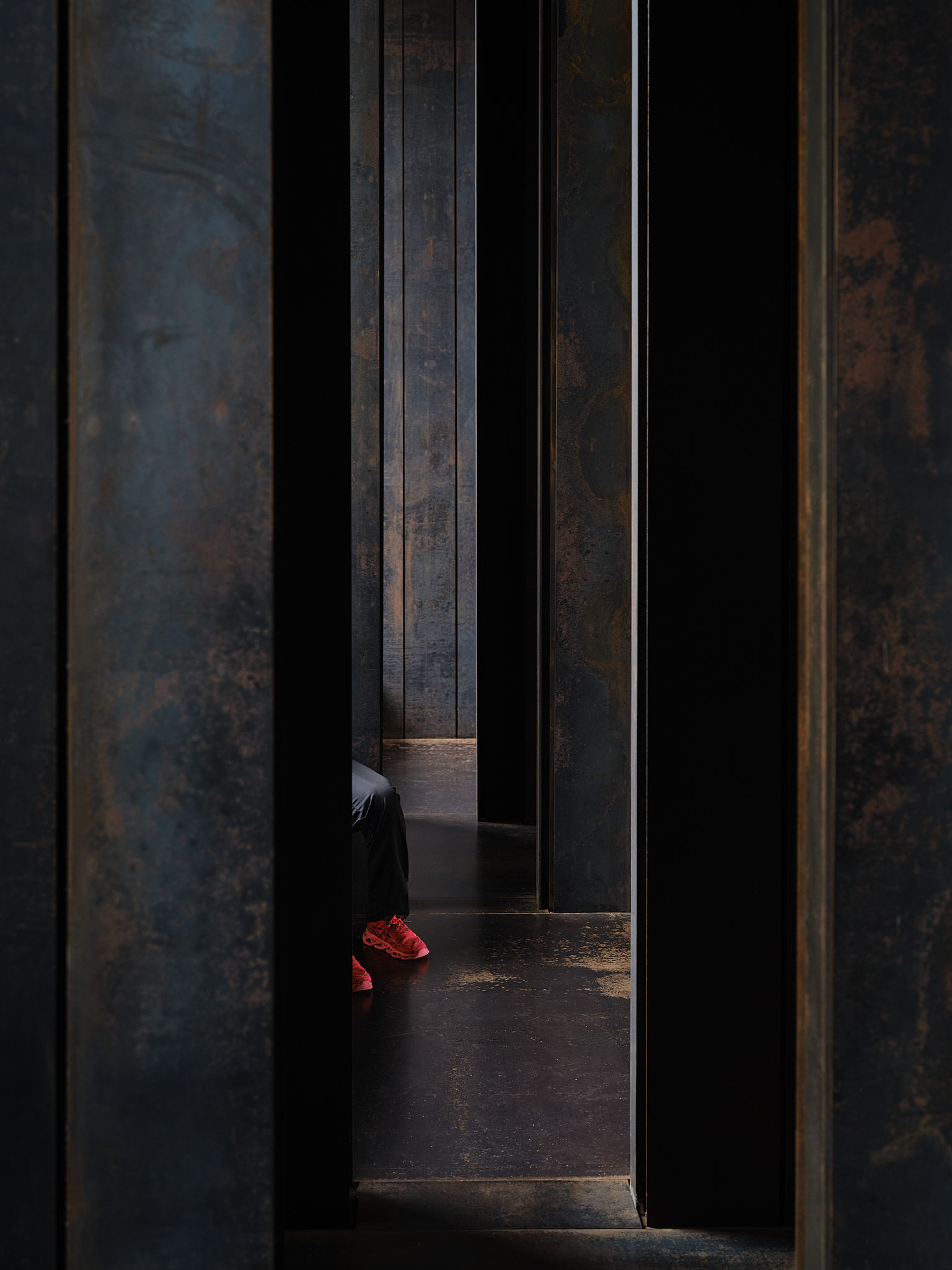
Casa Horitzó by RCR arquitectes